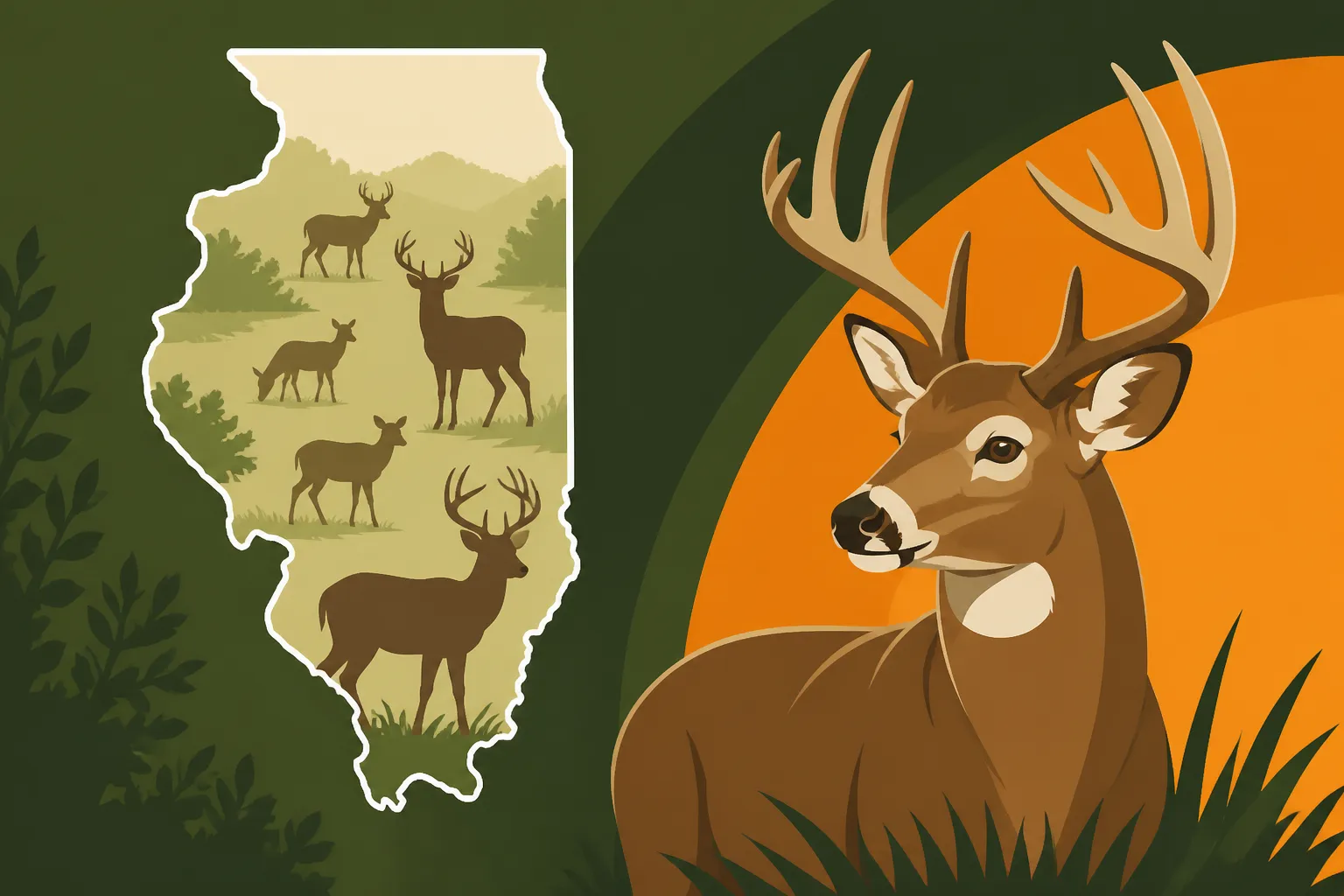
Illinois Deer Population Estimate
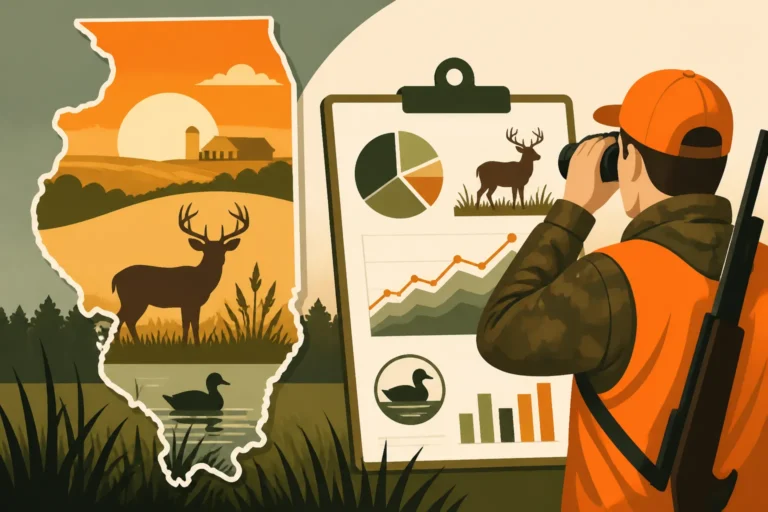
It's a question every Illinois deer hunter asks, whether they've been seeing tons of deer or struggling to find any sign: "Just how many deer are actually out there?" Understanding the whitetail population in our state can feel like trying to hit a moving target, especially with all the variables from region to region and year to year. This comprehensive guide will pull back the curtain on how Illinois estimates its deer numbers, what those numbers mean, and how they shape the hunting opportunities we all value so much.
Illinois Deer Population Dynamics
The white-tailed deer population in Illinois isn't just a static number; it's a living, breathing, ever-changing dynamic that responds to habitat, weather, disease, and, of course, hunting pressure. For hunters, grasping these dynamics is key to understanding why some seasons feel plentiful and others feel sparse, even within a relatively short drive. It's a complex puzzle, and every piece influences the next.
Historical Trends and Recovery
Believe it or not, Illinois was once practically devoid of white-tailed deer. By the late 1800s, unregulated hunting and widespread habitat destruction had pushed deer to the brink of extirpation in the state. Imagine that—Illinois, a state now renowned for its deer hunting, having almost no deer! The journey back has been a testament to dedicated conservation efforts. Reintroductions, starting in the 1930s, coupled with regulated hunting and habitat restoration, allowed deer to flourish. For decades, we saw a remarkable rebound, with populations growing steadily and expanding into every corner of the state. This success story is why we have the robust hunting opportunities we enjoy today, a stark reminder of how quickly things can change with proper management. To learn more about this journey, you can read about White-Tailed Deer Across Illinois.
Current Population Status
Today, the Illinois deer herd is considered healthy and stable in many areas, though populations do fluctuate and can vary significantly depending on local conditions. We're not in the same explosive growth phase we saw in the mid-to-late 20th century. Instead, the focus has shifted to maintaining a sustainable, ecologically balanced population. This means managing deer not just for hunting, but also to mitigate issues like crop damage, deer-vehicle collisions, and disease transmission. The Illinois Department of Natural Resources (IDNR) continuously monitors the herd, looking for trends in fawn recruitment, buck-to-doe ratios, and overall health indicators. It’s a constant balancing act to keep the population at a level that supports quality hunting without becoming a nuisance to landowners or an ecological burden.
Challenges in Tracking an Elusive Herd
Estimating the exact number of deer across an entire state like Illinois is, frankly, a monumental task. Deer are masters of camouflage and evasiveness, moving through dense cover and often becoming most active during low-light hours. They don't stand still for a headcount! Factors like varying habitat types – from dense southern Illinois forests to sprawling central Illinois farmland with countless woodlots – make a statewide census impossible. Furthermore, urban and suburban areas, where hunting is often restricted or heavily managed, can hold significant, often uncounted, deer populations. These challenges mean that "population estimates" are just that: educated guesses based on the best available data, using a blend of scientific methods and hunter-contributed information.
Estimating Deer Numbers: The Science Behind It
When the IDNR talks about deer population estimates, they aren't just pulling numbers out of a hat. There's a lot of science, data crunching, and boots-on-the-ground work that goes into those figures. It's a complex process designed to give us the most accurate picture possible, guiding everything from season dates to permit numbers. As hunters, understanding this process helps us appreciate the careful management that goes into our sport.
Harvest Data Analysis
One of the primary tools in the IDNR's arsenal for estimating deer populations is the analysis of annual harvest data. Every time a hunter harvests a deer in Illinois, they are required to report it. This isn't just a formality; it's a critical data point. Information collected includes the county of harvest, the date, and whether the deer was antlered or antlerless. This massive dataset, compiled year after year, provides invaluable insights into population trends. For instance, a consistent increase in antlerless harvest in a certain county might indicate a growing doe population, while a decline could suggest a stable or decreasing herd.
The IDNR uses sophisticated models that correlate harvest numbers with population changes. They look at factors like hunter effort (how many permits were issued, how many hunters were afield), success rates, and the proportion of bucks to does in the harvest. Over time, these trends paint a picture of the herd's health and trajectory. For a deeper dive into the numbers, check out Illinois Deer Harvest Records. These reports are invaluable for serious hunters and wildlife managers alike, providing the raw data that fuels these population estimates.
Aerial Surveys and Sampling Methods
While harvest data provides a solid foundation, the IDNR also employs various field sampling methods, including targeted aerial surveys, particularly in areas where detailed population counts are needed or where habitat makes ground-based observation difficult. During late winter, when leaves are off the trees and snow cover can make deer more visible against the landscape, biologists may fly low over specific management units using thermal imaging or visual spotters. This allows them to count deer in known habitat blocks and extrapolate those numbers to larger areas.
Beyond direct counts, biologists also conduct indirect surveys. This can involve counting deer pellets (fecal droppings) along transects, assessing browse lines to gauge deer impact on vegetation, or even using trail cameras in a grid pattern to estimate density. These sampling methods, when combined with harvest data, help refine population models and provide a more localized understanding of deer numbers, especially in harder-to-reach or non-hunted areas. Understanding population dynamics is also crucial for Scouting Illinois Public Land Before Season.
Advanced Modeling Techniques
Modern wildlife management relies heavily on advanced statistical and demographic modeling. These models take all the disparate pieces of data – harvest numbers, age structures, fawn survival rates, disease prevalence, habitat quality, and even factors like severe winter weather – and integrate them into predictive algorithms. These mathematical models project population growth, decline, and stability, allowing biologists to forecast how the herd might respond to different management actions, such as increasing or decreasing antlerless permit quotas.
Programs and data analytics tools are crucial for making sense of this information. For instance, sophisticated platforms can integrate publicly available data with hunter-reported observations, providing a more granular view. Many hunters use tools, like those found on GoHunt, to visualize land characteristics and understand how deer populations might relate to specific habitat types. These models aren't perfect, as nature is inherently unpredictable, but they represent the best scientific approach to managing a large, wild animal population and are continuously refined to improve accuracy.
Regional Deer Density Differences Across Illinois
Illinois is a diverse state, stretching from the northern urban fringes down to the rugged hills of the Shawnee National Forest. It should come as no surprise that deer densities, habitat types, and hunting opportunities vary wildly from one region to another. What works in one area for deer management might not make sense a couple hundred miles away.
Northern Illinois Urban-Agricultural Interface
Up north, especially in the counties surrounding the greater Chicago metropolitan area and extending westward into the Rock River Valley, deer populations often present a unique challenge. While there are still plenty of agricultural fields, significant portions of the landscape are fragmented by suburban development, small woodlots, and nature preserves where traditional hunting might be restricted. Here, deer densities can be surprisingly high in localized pockets. The issues often shift from managing for harvest to managing for nuisance: deer-vehicle collisions are frequent, and landscape damage to gardens and ornamental plants is common.
In these areas, the deer herd might be less impacted by hunting pressure than by limited habitat and urban encroachment. Special permit hunts, often archery-only, are used in many parks and forest preserves to control populations. Hunters operating in this zone often find deer that are accustomed to human presence, requiring different tactics than those used in more rural settings. These areas also face elevated concerns about Illinois's Chronic Wasting Disease Zone, which primarily impacts northern Illinois counties.
Central Illinois Farmland and Big Timber
When many hunters think of Illinois deer hunting, their minds immediately go to the vast agricultural lands of Central Illinois, interspersed with timbered river bottoms, creek drainages, and isolated woodlots. This region, particularly counties like Pike, Adams, and Fulton, has earned a legendary reputation for producing trophy bucks. Here, the deer population thrives on an abundant food supply from corn and soybean fields, coupled with excellent cover in the timbered areas. As a result, deer densities are often robust, and the herd typically exhibits good health and age structure.
Hunting pressure can be significant in these prime areas, but landowners and outfitters often manage their properties intensively for deer. The IDNR focuses on maintaining a healthy balance between hunter opportunity and population control through a system of permits designed to manage both antlered and antlerless deer. Understanding these specific regional dynamics is key to planning a successful hunt, whether you're hoping to bag a trophy buck (like those discussed in Why Pike County Produces So Many Trophy Bucks) or fill your freezer with venison.
Southern Illinois Hill Country and Forests
Travel south, and the landscape changes dramatically into the rolling hills, deep forests, and rugged terrain of the Shawnee National Forest region. This is a very different deer hunting experience than the flat farmlands up north. While agricultural fields are present, extensive timbered public lands, such as those found in Shawnee National Forest Hunting, define the hunting opportunities. Deer densities here might not be as high as in the most fertile agricultural zones, but the habitat is vast and offers a more wilderness-like hunting experience.
The population here is often more influenced by mast crops (acorns, hickory nuts) and timber management practices. While the deer are abundant, the challenging terrain and dense cover can make them harder to locate and hunt. The IDNR manages this region with an eye towards balancing public land access with maintaining a healthy forest ecosystem that can support deer and other wildlife. For hunters, this region often demands more physical effort but offers the reward of a true big-woods hunting adventure. You can dive deeper into the unique characteristics of Deer Density by Illinois Region to see how these numbers shake out county by county.
Factors Influencing Illinois Deer Populations
Deer populations are incredibly sensitive to a range of environmental and human-made factors. It's never just one thing that determines whether the herd is growing, shrinking, or staying stable. Instead, it's a complex interplay, like a delicate ecosystem constantly adjusting to pressures and opportunities. Understanding these influences helps us appreciate the challenges of wildlife management and the resilience of the whitetail.
Habitat Availability and Quality
The foundational element for any healthy deer population is access to quality habitat. Deer need food, water, and cover, and the quantity and quality of these resources directly dictate how many deer an area can support. In Illinois, this means a mosaic of agricultural fields providing abundant forage, timbered areas offering shelter and browse, and water sources like creeks, rivers, and ponds. When habitat is good—meaning a diverse mix of young and mature forests, brushy edges, and consistent food plots—deer populations tend to thrive.
However, habitat isn't static. Urbanization, large-scale agriculture that reduces edge cover, and changes in timber management can all impact deer. A poor mast crop year, for example, can lead to deer entering winter in poorer condition, affecting fawn survival or antler growth the following year. Conversely, conservation programs that enhance habitat through practices like prescribed burning, native grassland restoration, and creating diverse food sources can significantly boost local deer numbers and health. Using mapping tools like those from GoHunt can help hunters identify areas with optimal habitat features, such as transition lines and dense cover, which often hold higher deer concentrations.
Disease and Predator Impacts
Deer populations in Illinois, like everywhere, face challenges from disease and, to a lesser extent, predation. Chronic Wasting Disease (CWD) is a significant concern, particularly in northern Illinois. This neurological disease is always fatal and can have a long-term impact on local deer densities if left unchecked. The IDNR has extensive monitoring and management programs in place, including mandatory testing in certain counties, to track and slow the spread of CWD. You can find more specific information on Illinois's Twenty-Three Year Fight Against CWD. Other diseases, such as Epizootic Hemorrhagic Disease (EHD), can also cause localized die-offs, especially during drought years, but typically don't have a statewide long-term impact.
While coyotes are present throughout Illinois and can prey on fawns, their impact on the overall adult deer population is generally not considered a primary limiting factor. A healthy, robust deer herd can typically sustain some level of fawn predation. However, in localized areas with very low deer numbers or unusually high coyote populations, their influence might be more noticeable. The biggest "predator" of adult deer in Illinois, by far, remains the human hunter.
Hunting Pressure and Regulations
Hunter harvest is the most significant tool the IDNR uses to manage Illinois's deer population. Regulations are carefully crafted to ensure a sustainable harvest that keeps the herd healthy and in balance with its habitat. This includes setting specific season dates, such as Illinois Deer Season Structure Explained, limiting the number of permits, and differentiating between antlered (buck) and antlerless (doe) tags. In areas where populations are high, more antlerless permits might be issued to reduce herd numbers. Conversely, if a population is struggling, permit quotas might be tightened.
The level of hunting pressure, both from residents and nonresidents, also plays a role. Heavily hunted areas might see deer become more nocturnal and wary, while areas with less pressure might have more visible deer during daylight hours. This constant adjustment of regulations, based on annual population estimates and harvest data, is crucial for maintaining a healthy and huntable deer herd across the state. The IDNR works to provide ample opportunity while safeguarding the future of the resource.
How Population Estimates Impact Hunting Regulations
It's easy for us as hunters to sometimes feel like regulations are handed down from on high without much rhyme or reason. But in reality, every season date, every permit quota, and every special hunt is a direct reflection of what wildlife biologists believe is necessary to manage the deer population effectively. These decisions are informed by those crucial population estimates we've been discussing, ensuring sustainability for years to come.
Setting Permit Quotas
One of the most immediate and tangible ways population estimates influence hunting is through the setting of permit quotas. If biologists determine that a particular county has a thriving, perhaps even overabundant, deer population, they might issue more antlerless permits to encourage hunters to reduce the number of does. This helps keep the overall population in check, preventing overbrowsing of habitat, reducing crop damage, and minimizing the risk of disease spread. Conversely, if estimates suggest a decline in deer numbers in a certain area, permit allocations, particularly for antlerless deer, might be reduced to allow the herd to rebound.
This balancing act is designed to manage the population at a healthy level. For example, during the Illinois First Firearm Weekend Dates and Illinois Second Firearm Weekend Dates, permits are often specifically allocated by county, reflecting local deer densities. The IDNR uses its estimates to make informed decisions about how many deer the landscape can support and how many hunters are needed to achieve those management goals. It's a system that, while not perfect, strives for the best possible outcome for both deer and hunters.
Season Lengths and Structure
Population estimates also heavily influence the length and structure of various hunting seasons. For instance, if overall statewide deer numbers are healthy, the IDNR might maintain or even expand existing season lengths. However, a significant decline in a specific region could lead to shortened seasons or more restrictive hunting periods in that area. The archery season, which runs for many months, is designed to provide extensive opportunity, whereas the firearm seasons are shorter and more intense, often focused on specific harvest goals.
The timing of seasons, such as Hunting the Rut in Early November, is also carefully considered to align with deer biology and hunter success rates, ensuring that the harvest contributes to management objectives. All these decisions are rooted in the data collected and analyzed through population estimation, aiming to provide a diverse range of hunting experiences while meeting biological targets for herd health and size.
Special Hunts and Management Zones
Beyond general season structures, population estimates are critical for establishing special hunts and management zones. In areas where deer populations are exceptionally high, particularly in urban-agricultural interfaces or within state parks and preserves, special quota hunts or managed archery programs are often implemented. These hunts are specifically designed to reduce localized deer numbers that might be causing significant ecological damage or public safety concerns.
For example, some state parks might have a limited number of Illinois State Park Deer Quota Hunts where hunters are selected through a lottery, often with specific antlerless harvest requirements. These are direct responses to localized population surges that general hunting seasons cannot adequately address. Similarly, areas within the Illinois's Chronic Wasting Disease Zone might have special CWD management seasons or bonus permits to encourage higher harvest rates in an attempt to control the spread of the disease, directly addressing a population health concern.
| Region of Illinois | Typical Habitat | General Deer Density Trend | Primary Management Focus |
|---|---|---|---|
| Northern | Fragmented, Urban Edge | Moderate to High (local) | Nuisance, CWD Control |
| Central | Farmland, River Bottoms | High, Robust | Sustainable Harvest, Trophy Quality |
| Southern | Forests, Hills, Public Land | Moderate | Ecosystem Health, Public Access |
The Role of Hunters in Deer Management
As hunters, we aren't just participants in a recreational activity; we are integral partners in wildlife management. Every tag filled, every deer reported, and every hour spent afield contributes to the overall health and future of Illinois's white-tailed deer population. Our actions directly support the science and the stewardship of this incredible resource.
Harvesting Does for Population Control
Perhaps the most crucial role hunters play in managing the deer population is through the selective harvest of does. While taking a big buck is often the ultimate goal for many, harvesting antlerless deer is the primary method by which the IDNR manages overall herd size. Female deer are the reproductive engine of the population, and controlling their numbers directly impacts how many fawns are born each spring. In counties where deer populations are high, a robust doe harvest is essential to keep the herd from exceeding the carrying capacity of its habitat, which can lead to poorer deer health, increased disease transmission, and greater damage to agricultural crops and natural vegetation.
Many hunters proactively seek out antlerless permits, understanding that their efforts contribute to a healthier, more balanced herd in the long run. This isn't always the flashiest part of hunting, but it's arguably the most important from a conservation perspective. The choices we make in the field, guided by the regulations, have a direct and measurable impact on the statewide deer population.
Reporting Requirements and Data Collection
The act of reporting a harvested deer, whether through the IDNR website or their mobile app, might seem like a small, administrative step, but it is absolutely vital. As mentioned earlier, this data forms the backbone of the IDNR's population estimates and management decisions. Each reported deer adds to the mosaic of information – location, sex, and date of harvest – that biologists use to track trends, identify problem areas, and assess the effectiveness of current regulations. Without accurate and comprehensive hunter-reported data, the science behind deer management would be severely handicapped.
So, when you tag a deer, remember that you're not just completing a legal requirement; you're providing critical information that helps shape future hunting seasons and ensures the long-term health of the herd. It's a direct way that every hunter contributes to the bigger picture of wildlife conservation in Illinois. This data is so important that the state has strict rules for The Illinois Deer Reporting Deadline.
Conservation Efforts and Funding
Beyond direct harvest and reporting, hunters contribute significantly to deer management and conservation in broader ways. Every time you purchase an Illinois hunting license or a deer permit, a portion of those funds goes directly to the IDNR for wildlife research, habitat restoration, and enforcement. This "user-pays, user-benefits" model, known as the American System of Conservation Funding, is incredibly effective. It's hunter dollars that pay for the biologists, the studies, the habitat improvements, and the land acquisitions that benefit deer and countless other wildlife species.
Furthermore, many hunters are actively involved in volunteer conservation efforts, from assisting with habitat projects on public lands to advocating for sound wildlife policies. Organizations dedicated to preserving hunting traditions and promoting conservation, often supported by hunters, also play a critical role. This collective effort ensures that not only do we have deer to hunt today, but that future generations will also have the opportunity to experience the thrill of Bowhunting Illinois's Long Archery Season or Hunting Illinois's Two Firearm Deer Seasons in a healthy and thriving ecosystem.
Disclaimer
This article is intended for informational purposes only and should not be considered legal advice. Hunting regulations, season dates, and permit requirements in Illinois can change frequently. Always consult the most current Illinois Department of Natural Resources (IDNR) hunting regulations and official publications before planning any hunting activity. Adherence to all state and federal laws is the responsibility of the individual hunter.