Why Boone County Became Ground Zero for CWD
The news hit Illinois hunters like a cold front slamming into a warm fall day – Chronic Wasting Disease, or CWD, had arrived. For years, we’d heard about this mysterious, fatal neurological disease affecting deer in other states, a distant threat we hoped would never reach our rich hunting grounds. Then came the devastating announcement: the first case in Illinois was confirmed right there in Boone County, marking it as the unfortunate "ground zero" for CWD in our state. This guide will walk you through the history of CWD in Illinois, focusing specifically on why Boone County became the epicenter of this persistent challenge, and what it means for deer hunters today.
The Unsettling Truth: CWD's Arrival in Boone County
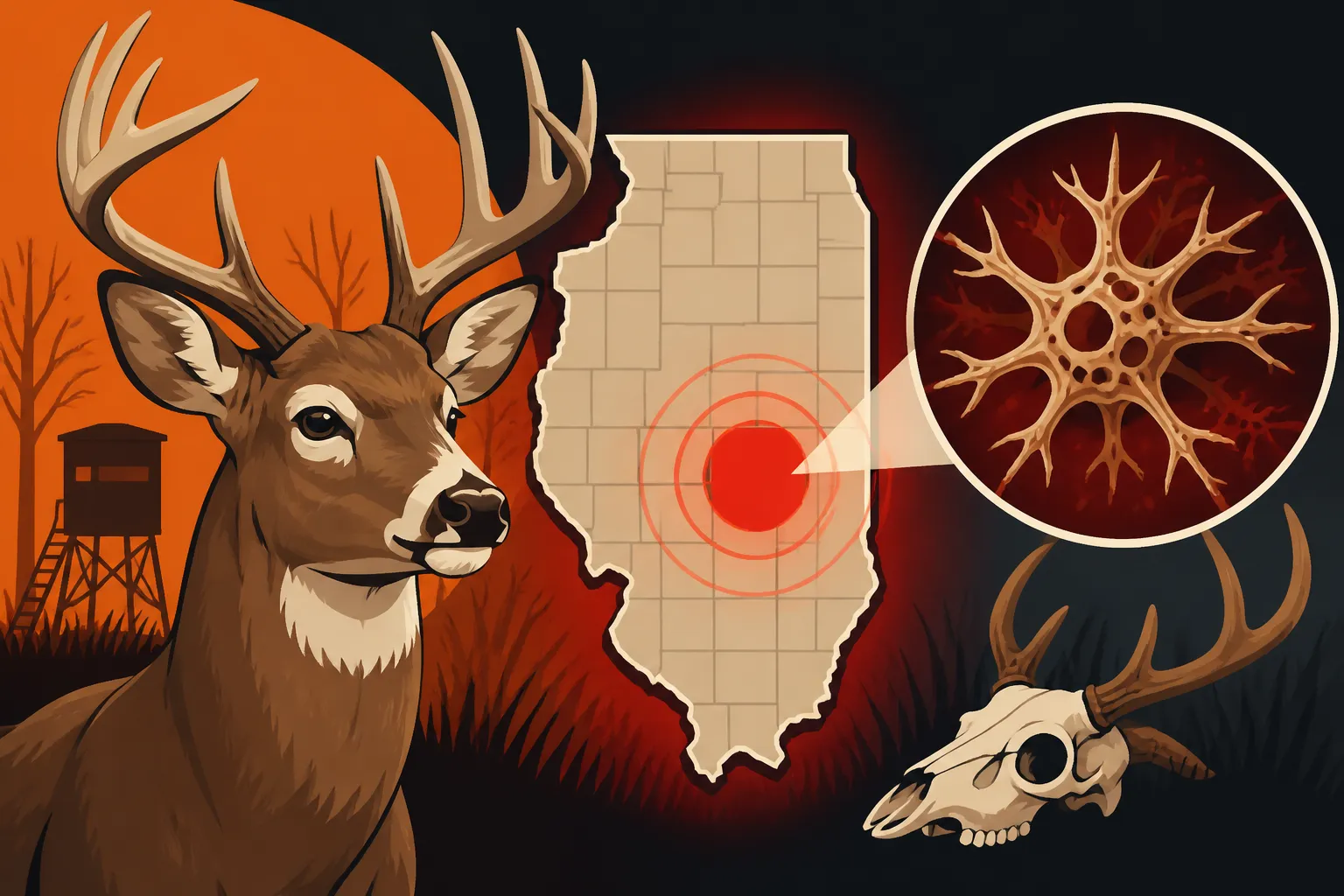
Back in 2002, the Illinois Department of Natural Resources (IDNR) confirmed the presence of Chronic Wasting Disease in a wild deer herd in Boone County, near Rockford. It was a seismic event for Illinois wildlife management and a gut punch for every hunter who cherished our deer. Prior to this, CWD had been a growing concern in neighboring Wisconsin, and while Illinois had robust surveillance efforts, finding it within our borders was still a shock. It quickly became clear that this wasn't just an isolated incident, but the start of a long, uphill battle.
The initial discovery in Boone County immediately triggered a sense of alarm. Suddenly, the abstract threat of CWD became very real, very local. Hunters who had enjoyed a lifetime of deer hunting without a second thought about disease were now faced with a complex issue that demanded attention and cooperation. The disease itself is insidious: it's always fatal, caused by abnormal proteins called prions, and can spread through direct animal-to-animal contact or indirectly through environmental contamination from infected bodily fluids. Understanding How CWD Spread From Boone County became a critical, immediate challenge for biologists.
The emotional toll on the hunting community in Boone County and beyond was considerable. There was fear, uncertainty, and even anger. Questions swirled: How did it get here? What does this mean for our deer? Is the venison safe to eat? The IDNR immediately launched intensified surveillance efforts, mandatory testing, and public information campaigns to educate hunters and landowners on the risks and how to help contain the spread. It was a stark reminder that our wildlife populations are not immune to such devastating diseases, and that the health of the herd is a shared responsibility.
Why Boone County? Understanding the Factors at Play
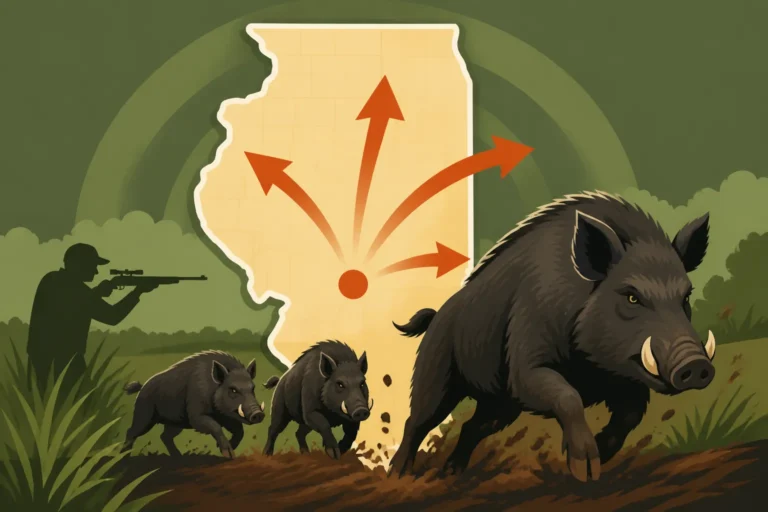
Pinpointing the exact "how" of CWD's arrival in Boone County is complex, but several factors likely contributed to it becoming the initial hotspot. One primary theory suggests the disease entered Illinois from the north, particularly from southern Wisconsin, where CWD had already been established in wild deer populations for some time. Boone County's geographical location, bordering Wisconsin, made it a natural point of entry for deer migrating across state lines, potentially carrying the prions with them. Deer don't recognize state boundaries, after all.
Another significant contributing factor is the deer density in the region. Historically, northern Illinois, including Boone County, has supported robust deer populations. While a healthy deer population is generally a good thing for hunters, high densities can unfortunately facilitate the transmission of diseases like CWD. More deer interacting in a smaller area means more opportunities for direct contact and environmental contamination. This concentration, combined with the potential for infected animals crossing over, created a fertile ground for the disease to take root. Understanding Illinois Deer Population Estimate is key to managing such outbreaks.
The landscape itself in Boone County also plays a role. It’s a mix of agricultural fields, woodlots, and suburban fringes. This kind of fragmented habitat often concentrates deer into smaller cover areas, especially during harsh winters or in areas with limited refuge from human activity. These "concentration points" can become hotspots for prion accumulation in the environment, making it easier for healthy deer to pick up the disease. Furthermore, human activities, such as the transport of live deer (though highly regulated now) or even improper carcass disposal, could have inadvertently contributed to the disease's spread, although the wild deer population crossing the border remains the most widely accepted primary vector for Which County Found Illinois's First CWD Case.
The Ripple Effect: CWD Management and Hunter Responsibility
Once CWD was confirmed in Boone County, the IDNR rapidly implemented a multi-faceted management strategy. This included intensive surveillance through hunter-harvested deer testing, targeted culling in certain areas to reduce deer density, and public outreach. Hunters in Boone County, and eventually other CWD-positive areas, were asked to submit their harvested deer for sampling, an effort that continues to this day. It’s an inconvenience, certainly, but a vital one for understanding the disease's prevalence and spread.
For hunters, this meant new regulations and a shift in how we approach the season. Suddenly, rules around carcass movement became critical, especially when traveling from a CWD-positive county. It’s easy to feel frustrated by these added layers of complexity, but they are absolutely essential to preventing the further spread of CWD to unaffected areas of the state. Knowing Illinois CWD Testing for Hunters and Illinois Carcass Movement Restrictions is no longer just good practice, it's law.
The proactive involvement of hunters is paramount. By complying with mandatory testing, understanding carcass transport rules, and practicing responsible hunting ethics, we become part of the solution. Many hunters now utilize scouting tools like GoHunt to understand land boundaries and public access, and it's just as important to use such resources to identify CWD zones and sampling locations before heading afield. The burden of this disease falls heavily on the deer population, but the responsibility to fight it falls on all of us who cherish Illinois’s wildlife.
Mandatory Testing and Disposal Protocols
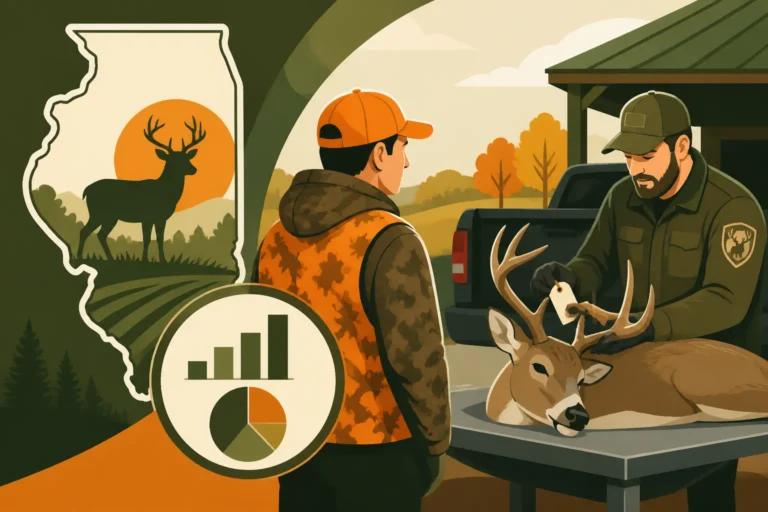
In counties within the Illinois's Chronic Wasting Disease Zone, particularly in the northern part of the state where Boone County resides, specific rules apply. Hunters harvesting deer must often submit samples for CWD testing at designated check stations or drop-off sites. This data is critical for monitoring the disease.
| Action Item | Purpose | Hunter Responsibility |
|---|---|---|
| Mandatory Sampling | Monitor CWD prevalence and spread | Submit head of harvested deer to designated IDNR CWD sampling stations within 48 hours in designated counties. |
| Carcass Movement Restrictions | Prevent spread of prions to uninfected areas | Only deboned meat, skull cap with antlers attached (cleaned of brain matter), or finished taxidermy mounts may leave a CWD-positive county. |
| Proper Carcass Disposal | Reduce environmental contamination | Bury carcass remains on the property where the deer was harvested, or dispose of in an approved landfill. Do not dispose of remains in ponds, streams, or along roadsides. |
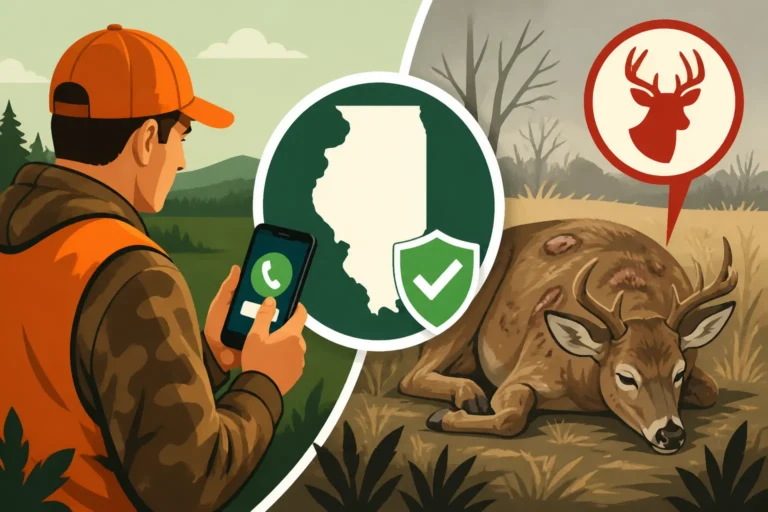
| Report Sick Deer | Aid in early detection and surveillance | Contact IDNR if you observe deer exhibiting symptoms consistent with CWD (e.g., extreme weight loss, drooling, neurological issues). |
| Stay Informed | Understand evolving regulations and science | Regularly check the IDNR website for updates on CWD zones, testing requirements, and research. |
Navigating these requirements can be a hassle, especially after a successful hunt, but imagine the frustration of losing an entire deer population to a preventable disease. These steps, while inconvenient, are our best defense. Learning about Finding an Illinois CWD Sampling Location should be part of your pre-hunt planning if you're in a CWD-affected area.
Beyond Boone: What This Means for Illinois Deer Hunting
Boone County may have been ground zero, but CWD has regrettably expanded beyond its initial borders. Illinois now has Illinois's Twenty-Eight CWD Counties, and the disease continues to be a central focus for wildlife management across the state. The ongoing fight against CWD affects hunter recruitment, public perception of wild game meat, and the overall health of our deer herd. It's a sobering reality that requires long-term commitment.
The experience in Boone County has shaped Illinois's overall approach to CWD, informing how the IDNR handles new detections in other areas, and how they communicate with the public. It underscores the critical need for continued vigilance and cooperation from hunters. Our passion for hunting and our love for wild places mean we have a vested interest in the health of our deer, and that means doing our part, even when it's challenging.
For new hunters, or those considering moving into an affected zone, understanding the history and current state of CWD is essential. It's not just about getting a license and finding a spot; it's about being an informed, ethical steward of the resource. The future of deer hunting in Illinois, particularly in areas like Boone County, hinges on our collective ability to adapt, educate ourselves, and follow best practices to minimize the impact and spread of this devastating disease. The goal isn't necessarily eradication, which many biologists consider unlikely, but rather management to keep prevalence rates low and localized.
Disclaimer
This article is for general informational purposes only and does not constitute professional advice. Laws, prices and regulations vary by location and change over time. Consult a qualified professional for guidance on your specific situation.