Game You Cannot Hunt in Illinois
It can be incredibly frustrating to dream of a hunting adventure in Illinois, only to discover that the animal you had your heart set on pursuing isn't actually a legal game species here. Whether you're new to the state, an experienced hunter from elsewhere, or just looking to expand your horizons, navigating the specific regulations can be a maze. This guide is here to cut through the confusion and clearly outline which game species are off-limits for hunting in Illinois, helping you avoid legal pitfalls and focus on the incredible opportunities that do exist.
The "Big Game" Illinois Doesn't Offer
Illinois, while known for its phenomenal whitetail deer and abundant waterfowl, isn't a state where you'll be pursuing classic North American big game like elk or bear. These animals simply don't have established hunting seasons here, for various biological and historical reasons. It's a common misconception, especially for hunters coming from western states or even some of our neighbors, but it's important to understand the realities of Illinois's wildlife management.
Black Bears: Rare Sightings, No Season
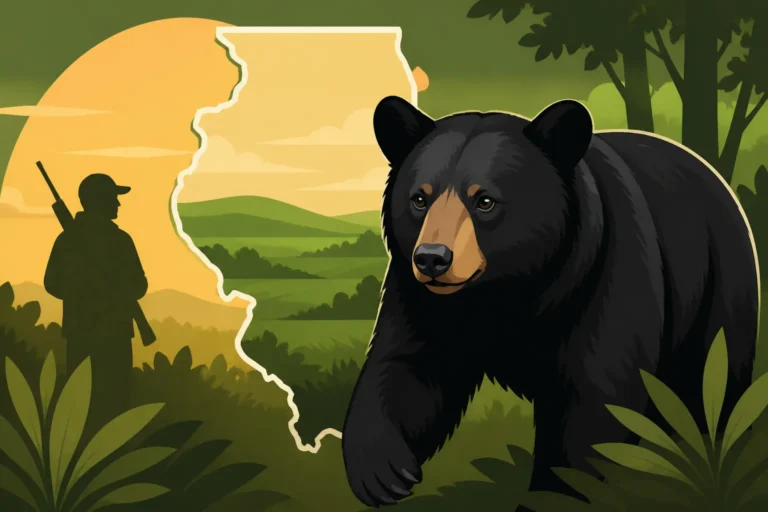
Imagine walking through a dense patch of timber in southern Illinois and spotting a black bear. It's a sight that would thrill any outdoors enthusiast, but it's also a sight that remains incredibly rare, and unfortunately, it doesn't mean there's a hunting season. While Illinois's Occasional Black Bear Wanderers do make their way into the state, primarily from neighboring Wisconsin, Missouri, or Indiana, they do not have an established breeding population in Illinois.
These bears are typically transient males searching for new territory, or sometimes a sow with cubs might cross the border. The Illinois Department of Natural Resources (IDNR) tracks these sightings, and while exciting, their numbers are far too low and their presence too sporadic to support any hunting season. Instead, if you encounter one, it's a moment to appreciate wildlife and report your sighting to the IDNR. Trying to pursue one would land you in serious legal trouble, as they are fully protected.
Elk and Moose: Extirpated and Absent
For those envisioning an Illinois hunt for truly massive antlered game, it's a dream that won't come true. Both elk and moose were once native to Illinois, but they were extirpated from the state centuries ago due to habitat loss and unregulated hunting. Today, there are no wild, free-ranging populations of either species that would support a hunting season.
While there have been occasional, highly publicized sightings of a lone moose or elk wandering into Illinois, these are typically individuals that have strayed far from established populations in states like Minnesota, Michigan, or even Canada. These animals are generally viewed as fascinating anomalies, not as game animals to be pursued. The IDNR manages these rare instances on a case-by-case basis, often attempting to guide the animals back to their natural ranges or ensuring public safety. Learning about Illinois Elk History and Extirpation can give you a deeper appreciation for the efforts made to protect wildlife.
Mountain Lions and Wolves: No Established Populations
The idea of hunting apex predators like mountain lions (also known as cougars or pumas) or wolves in Illinois might conjure images of wilderness far removed from the Midwest. And for good reason: these animals do not have established breeding populations in the state, and therefore, no hunting seasons.
Like black bears, mountain lions occasionally wander into Illinois, most often young males dispersing from populations in states like South Dakota or Nebraska. These sightings are documented and generate a lot of public interest, but they are not indicative of a resident population. Similarly, while wolves once roamed Illinois, they were eradicated long ago. Any modern wolf sightings are almost certainly single, transient individuals. Both species are fully protected under Illinois law, and attempting to hunt them would result in severe penalties. Illinois Wolf History and Extirpation offers a look into their past presence.
Protected Species You Might Mistake for Game
Beyond the large mammals that simply aren't present in huntable numbers, there's a whole category of species that are federally or state-protected and absolutely off-limits. This is where identification becomes crucial. A hunter must always be certain of their target, not just for ethical reasons, but for legal ones too. Shooting a protected bird or animal, even by mistake, can lead to hefty fines and loss of hunting privileges.
Non-Game Migratory Birds
Illinois is a critical stopover on the Mississippi Flyway, making it a paradise for waterfowl and other migratory birds. While we have excellent seasons for ducks, geese, and some doves, many other migratory species are strictly protected. Think of birds like sandhill cranes, various songbirds, raptors, and many shorebirds. These are fascinating to observe but are never legal targets.
It's easy, especially in low light or at long distances, to misidentify a bird. A hunter must be absolutely certain of their target before pulling the trigger. This means knowing your duck species, distinguishing between a legal dove and a protected kestrel, and understanding that certain large, marsh-dwelling birds like herons or egrets are not game animals. Even some smaller birds that might resemble quail or sparrows could be protected. This is why thorough Illinois Hunter Education Requirements emphasize species identification.
Raptors, Owls, and Other Birds of Prey
Illinois is home to a magnificent array of raptors, from majestic bald eagles and red-tailed hawks to the elusive great horned owl and the smaller American kestrel. These birds are critical components of our ecosystem, acting as natural pest control and indicators of environmental health. They are also universally protected under federal and state laws.
Under no circumstances is it legal to hunt, harm, or harass any bird of prey in Illinois. This includes all species of hawks, eagles, falcons, and owls. If you see one while hunting, appreciate its presence, but understand it's a protected creature. Accidental shootings of raptors can occur, particularly if a hunter is careless or misidentifies a target. This underscores the need for positive identification of game birds.
Endangered or Threatened Species
Illinois maintains a comprehensive list of state-endangered and threatened species, which can include everything from small mammals and reptiles to fish, insects, and plants. While many of these aren't typical "game" animals, some might resemble huntable species or inhabit the same areas. For instance, certain turtles, snakes, or even unique types of small game could be on this list.
The IDNR website is the authoritative source for the most current list of endangered and threatened species. While it's unlikely a hunter would intentionally target one of these, being aware of them and their habitats can help avoid accidental encounters. For example, if you're exploring a new hunting ground, understanding if a rare species inhabits a particular marsh or wooded area is part of being a responsible steward of the land.
Furbearers with Specific Season Restrictions or Protection
Some animals often classified as furbearers or predators in other states are either fully protected or have extremely limited, highly regulated seasons in Illinois. These aren't the same as game animals you can pursue with a general hunting license; they often require specialized permits, specific seasons, or even exclude hunting entirely in favor of trapping.
Bobcat: Highly Regulated, Limited Harvest
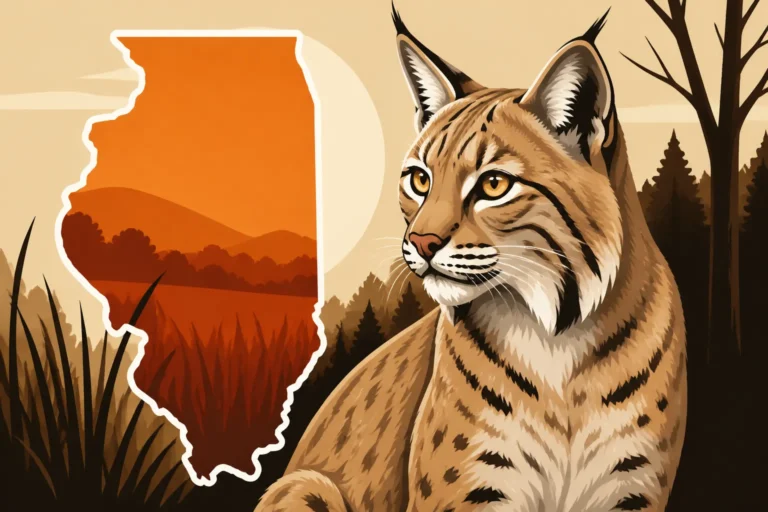
For a long time, bobcats were completely off-limits to hunters and trappers in Illinois, having faced significant population declines. However, thanks to conservation efforts and a rebounding population, a limited season for bobcat trapping (and sometimes hunting) has been established in specific zones of the state. It's not a free-for-all, and many regulations apply.
If you're interested in bobcats, you absolutely must check the current IDNR furbearer regulations. There are specific open zones, strict tag limits, and often unique reporting requirements. It's a testament to successful wildlife management that these elusive felines can now be pursued, but it comes with a high level of responsibility and adherence to the rules. Don't confuse their presence with an open invitation to hunt them without the proper permits and knowledge of the law. You can track their progress through Illinois Bobcat Sighting Reports by Year.
River Otter: Rebounding with Specific Seasons
Similar to bobcats, river otters have made a remarkable comeback in Illinois after being nearly extirpated. Their recovery is a fantastic conservation success story, and as their populations stabilized, limited trapping seasons have been implemented. However, river otters are not typically pursued by hunters using firearms, but rather by trappers.
The season for river otters is highly regulated, with specific open dates, zones, and reporting requirements. It's crucial to consult the official IDNR furbearer regulations if you have any interest in pursuing these aquatic mammals. Like bobcats, their return to a harvestable status is a privilege that comes with strict rules to ensure their continued health. The Illinois River Otter Recovery is a great example of conservation success.
Other Protected Furbearers and Small Mammals
While many furbearers like coyotes, foxes, raccoons, and muskrats have established hunting or trapping seasons in Illinois, some smaller, less common species remain fully protected. Animals like pine martens or fishers, while not currently present in significant wild populations in Illinois, would fall into this category if they were.
The general rule of thumb is: if it's not explicitly listed in the official hunting or trapping regulations as a game or furbearer species with an open season, then it is protected. Never assume that just because an animal is present, it's fair game. Always verify with the most current IDNR regulations to avoid costly mistakes and potential Illinois Wildlife Violation Penalties.
Understanding Wildlife Regulations and What's Not Listed
The world of hunting regulations can feel overwhelming, but at its core, it's designed to manage wildlife populations sustainably. For Illinois, this means a clear distinction between what you can hunt and what you cannot. It's not just about knowing what species live here; it's about knowing which ones are designated for harvest.
The General Rule: If It's Not Listed, It's Not Huntable
This is perhaps the most important takeaway for any hunter in Illinois. The state's hunting regulations are prescriptive: they list the species that can be hunted, the seasons for those species, the legal methods, and the bag limits. If an animal is not explicitly named in these regulations as a huntable species, then it is, by default, protected and cannot be pursued.
This principle simplifies things considerably. You don't need a list of every single animal you cannot hunt. Instead, refer to the official IDNR hunting and trapping guides, which explicitly detail legal game animals such as white-tailed deer, wild turkeys, various waterfowl, pheasants, quail, rabbits, squirrels, and furbearers like coyotes and raccoons. Any animal outside of these lists is off-limits. This is especially important when considering smaller animals that might resemble game species but are not.
Checking the Illinois DNR Regulations
The Illinois Department of Natural Resources (IDNR) is your single most important resource for understanding what you can and cannot hunt. Their annual digest of hunting and trapping regulations is the definitive guide. These regulations cover everything from season dates and legal weapon types to bag limits and permit requirements.
You can usually find these regulations online through the IDNR website, often available as downloadable PDFs. Many outdoor retailers in Illinois also carry physical copies. It's your responsibility as a hunter to stay informed, as regulations can change from year to year. Tools like GoHunt's mapping system and regulatory summaries can also be incredibly helpful for hunters, especially non-residents, in quickly understanding the nuances of local hunting laws and finding public land boundaries. Always consult these resources before you head into the field. This also applies to understanding requirements like the Illinois State Habitat Stamp and various Illinois Resident License Options.
The "Unprotected" Category: Feral Hogs as an Exception
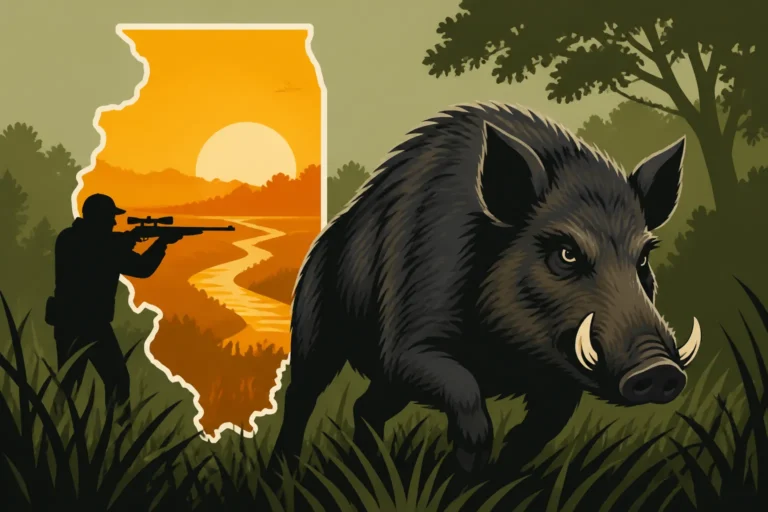
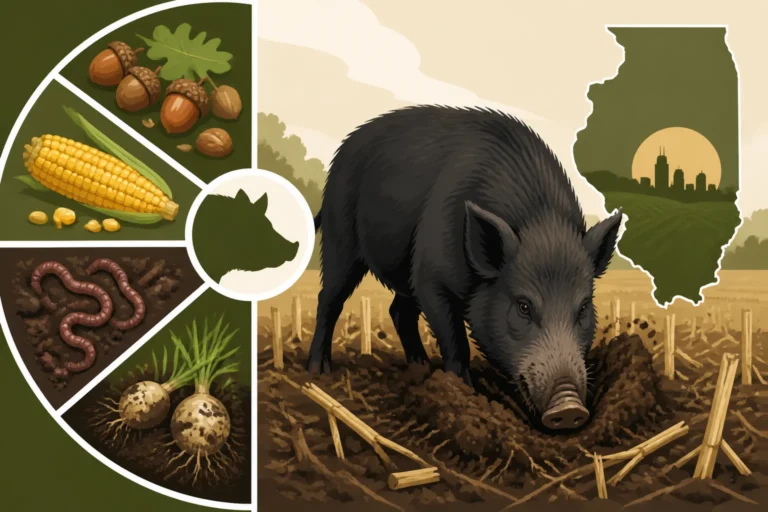
There's one notable exception to the "if it's not listed, it's protected" rule, and that's feral hogs. These destructive, invasive animals are not considered game species in Illinois; instead, they are classified as "unprotected." This means there is generally no closed season or bag limit for them on private land, and they can often be hunted year-round with appropriate landowner permission.
The reason for this "unprotected" status is simple: feral hogs cause immense agricultural damage, destroy habitat, and can spread diseases to livestock and native wildlife. The state actively encourages their removal. However, even with this "unprotected" status, there can be specific local rules, especially on public lands, or restrictions on methods (like night hunting or the use of lights). Always verify the most current Illinois Feral Hog Regulations before pursuing them, as rules can vary depending on the location and specific property type.
Summary of Hunting Status for Select Illinois Animals
To help clarify, here's a quick overview of some animal categories and their general huntability in Illinois. Remember, "highly regulated" means you must check the current IDNR regulations for specific zones, permits, seasons, and methods.
| Category | Examples | Hunting Status in Illinois | Key Considerations |
|---|---|---|---|
| Common Game Animals | White-tailed Deer, Wild Turkey, Mallards | Huntable with appropriate licenses, permits, and seasons. | Consult IDNR for season dates, bag limits, and legal methods. |
| Furbearers (Huntable) | Coyote, Fox, Raccoon, Opossum | Huntable with furbearer permit, specific seasons. | Night hunting may have specific rules; check regulations carefully. |
| Furbearers (Highly Regulated) | Bobcat, River Otter | Extremely Limited Harvest, specific permits, zones, seasons. | Trapping is often the primary method. Mandatory reporting. Not for general hunting. |
| Invasive Species | Feral Hog | Unprotected on private land (often year-round, no limit). | Public land rules may vary. Focus on eradication. |
| Extirpated/Absent Big Game | Elk, Moose, Mountain Lion, Wolf | Not Huntable; no established wild populations. | Any sightings are rare, transient individuals. Fully protected. |
| Protected Migratory Birds | Sandhill Crane, Herons, Egrets, Songbirds | Not Huntable; federally protected. | Positive identification is critical to avoid accidental shooting. |
| Raptors | Hawks, Eagles, Owls, Falcons | Not Huntable; federally and state protected. | Do not harass or harm. Report injured birds to authorities. |
| Endangered/Threatened | Various (specific to IL list) | Not Huntable; state-protected due to low populations. | Be aware of specific species and habitats in your hunting area. |
Navigating the nuances of what you can and cannot hunt in Illinois can feel like a lot, but ultimately, it boils down to responsible hunting practices and a commitment to staying informed. Always consult the most current Illinois Department of Natural Resources regulations and, when in doubt, err on the side of caution. Happy, ethical hunting!
Disclaimer
This article is for general informational purposes only and does not constitute professional advice. Laws, prices and regulations vary by location and change over time. Consult a qualified professional for guidance on your specific situation.