Finding an Illinois Fish and Wildlife Area Near You
Finding a great hunting spot in Illinois can sometimes feel like trying to find a needle in a haystack, especially when you're looking beyond private land or don't know where to start. Many hunters struggle to pinpoint quality public access close to home, often overlooking the fantastic opportunities that exist. This guide will help you navigate the world of Illinois Fish and Wildlife Areas (FWAs), showing you how to locate them, understand their regulations, and maximize your hunting success on these publicly accessible grounds.
Understanding Illinois Fish and Wildlife Areas
Illinois Fish and Wildlife Areas are the backbone of public hunting opportunities in the state, offering diverse habitats and game species for hunters of all interests. These areas are specifically managed for wildlife and public recreation, making them invaluable resources for anyone looking to get afield.
What Exactly is an FWA?
An FWA, or Fish and Wildlife Area, is a parcel of land and water managed by the Illinois Department of Natural Resources (IDNR) with the primary goals of conserving fish and wildlife populations and providing public access for various outdoor activities, including hunting, fishing, trapping, hiking, and birdwatching. Unlike state parks, which often prioritize passive recreation, FWAs are explicitly designed with habitat management for game species in mind. This means you'll often find specific management practices in place, such as controlled burns, food plots, timber stand improvements, and wetland restoration, all aimed at enhancing conditions for deer, turkeys, waterfowl, and small game.
For many hunters, especially those without access to private land, FWAs represent the best chance to pursue game. They range in size from a few hundred acres to several thousand, offering everything from sprawling timber tracts and river bottomlands to open grasslands and managed wetlands. While the "fish" part of the name might conjure images of lakes and rivers, many FWAs also encompass vast upland forests and agricultural fields, providing prime habitat for species far removed from the water. It's crucial to understand that each FWA is unique, with its own character, challenges, and opportunities, making general assumptions about them a pitfall many new public land hunters encounter.
The Illinois Department of Natural Resources (IDNR) Role
The IDNR is the driving force behind the existence and management of all Illinois Fish and Wildlife Areas. They are responsible for acquiring, maintaining, and regulating these properties, ensuring that they remain viable habitats for wildlife and accessible spaces for the public. This involves a tremendous amount of work, from setting hunting seasons and bag limits to actively managing habitat and enforcing regulations. The IDNR’s biologists and site superintendents are constantly working to improve conditions, often employing scientific data to guide their decisions on everything from deer herd management to duck blind allocations.
Understanding the IDNR's role also means recognizing that they are your primary source of information for hunting these areas. Every FWA has site-specific regulations, which can often differ significantly from statewide regulations. These site-specific rules are developed by the IDNR to address the unique ecological and social conditions of each individual area. Ignoring these can lead to fines, loss of hunting privileges, or worse, impacting wildlife populations. The IDNR also administers programs like the Illinois Site Permit Application Process, which is essential for accessing many of the most popular and productive FWAs. Familiarizing yourself with the IDNR's online resources and even reaching out to specific site offices can save you a lot of headaches and dramatically improve your hunting experience.
Diverse Opportunities Beyond Deer Hunting
While many hunters immediately think of whitetail deer when considering public land, Illinois FWAs offer a wealth of other hunting opportunities that are often less pressured and equally rewarding. Yes, you can absolutely pursue White-Tailed Deer Across Illinois on these lands, and many FWAs boast healthy deer populations. However, limiting your focus solely to deer means you're missing out on a huge part of what makes these areas special.
Consider the spring turkey season, where many FWAs offer excellent chances at calling in a gobbler. Some areas, particularly those with good timber, can be fantastic for Spring Turkey Hunting in Illinois. Waterfowl hunters will find prime real estate in FWAs along the major river systems like the Illinois and Mississippi, where managed wetlands and flooded timber draw thousands of ducks and geese. Waterfowl Hunting the Illinois River Valley is a prime example of the specialized opportunities available. For those who enjoy a more active hunt, Squirrel and Small Game Hunting in Illinois can be incredibly productive in the oak and hickory bottoms found within many FWAs. Furthermore, many sites offer opportunities for furbearers, predators, and even dove hunting in designated fields. Exploring these diverse options can open up entirely new hunting adventures and spread you out from the crowds.
Navigating the IDNR Website and Online Tools
The Illinois Department of Natural Resources (IDNR) website is your first and most crucial stop when planning a hunt on an FWA. It's an information goldmine, but knowing exactly where to dig can make all the difference.
The Official IDNR Public Hunting Areas Map
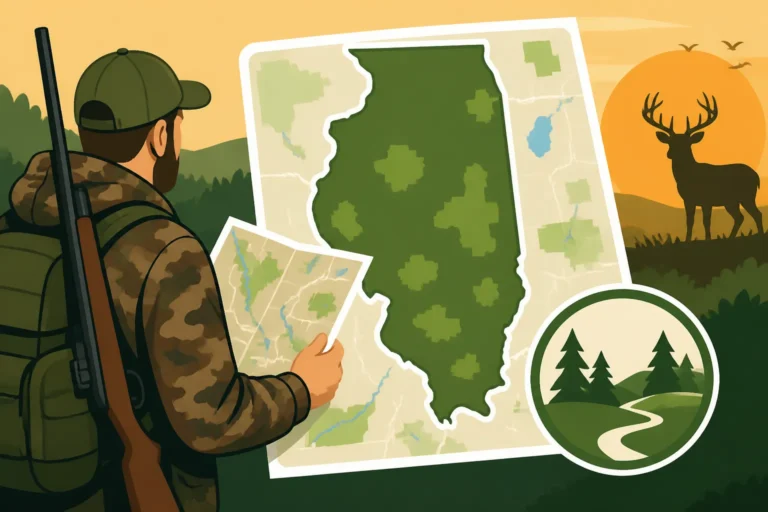
The IDNR maintains an interactive map of all public hunting areas, which is an invaluable resource for locating FWAs near you. You can usually find this by searching for "Illinois DNR Public Hunting Areas Map" or navigating through the hunting section of their main website. This map allows you to visually scan the state, zoom in on specific regions, and click on individual sites to pull up detailed information. When you click on an FWA, you’ll typically find links to site-specific regulations, printable maps, contact information for the site superintendent, and sometimes even recent harvest data.
Using this tool effectively means not just looking for the biggest green blob near your home, but truly exploring the details. Consider the type of habitat the map depicts (forest, wetland, agricultural fields) and correlate that with the species you want to hunt. For instance, if you're keen on Pheasant Hunting Illinois Farmland, you'll want to prioritize FWAs known for their grassland and agricultural components rather than heavily timbered river bottoms. The map is a fantastic starting point for understanding the sheer volume of public land available, helping you answer the question of How Many Acres of Public Land Illinois Has and pinpointing specific tracts.
Site-Specific Regulations: Your Best Friend
I cannot stress this enough: site-specific regulations are absolutely non-negotiable reading. Every single Fish and Wildlife Area in Illinois has its own set of rules that often supersede or add to the statewide regulations. You might think you know the general hunting laws, but these site-specific rules cover everything from legal hunting hours, permitted weapons, caliber restrictions, blaze orange requirements, and even specific parking areas or access routes. Many FWAs require hunters to check in and out daily, either physically at a sign-in station or electronically via an online system or app. Some might have special permit requirements or designated hunt zones for different species.
Imagine showing up to hunt deer with your slug gun, only to find out that particular FWA is archery-only for deer, or that you needed a special quota hunt permit that you didn't apply for. This happens all the time to unprepared hunters. Always download and read the current year's site-specific regulations for each FWA you intend to visit before you even pack your truck. These documents are usually PDFs linked directly from the FWA's page on the IDNR website. They will also detail specifics about things like Treestand Rules on Illinois Public Land or Ground Blind Rules on Illinois Fish and Wildlife Areas, which can vary widely from one site to another. Don't rely on information from past years or anecdotal advice; the rules can change annually.
Checking for Quota Hunts and Special Draws
Many of the most popular or ecologically sensitive FWAs manage hunter numbers through quota hunts or special draw systems. These are hunts where a limited number of permits are issued through a lottery system, rather than being available over-the-counter. This management technique helps to control hunting pressure, maintain a quality experience, and often allows for more focused wildlife management. Deer, turkey, and waterfowl hunts are commonly managed this way on certain FWAs.
If an FWA you're interested in has a quota hunt, you'll need to apply for a permit well in advance, typically during designated application periods earlier in the year. The IDNR website will have specific sections detailing these application processes, deadlines, and often, the draw odds from previous years. Missing an application deadline means missing the opportunity to hunt that specific area that season. It's also common for some FWAs to have special youth hunts, requiring specific permits. Always check the application dates and requirements for these drawings if you're serious about hunting a particular FWA, as they can represent some of the state's best hunting experiences due to reduced pressure.
Utilizing Mapping Apps for FWA Exploration
Once you've identified potential FWAs using the IDNR's official resources, the next step in really getting to know your hunting grounds is to leverage modern mapping applications. Tools like onX Hunt and GoHunt have revolutionized how hunters scout and navigate public land.
Layering FWA Boundaries on Digital Maps
One of the most powerful features of modern hunting apps like onX Hunt is the ability to display public land boundaries, including those of Illinois Fish and Wildlife Areas, right on your smartphone or GPS device. This takes the guesswork out of knowing exactly where you can and cannot hunt. Instead of relying on blurry paper maps or trying to decipher ambiguous boundary signs, these apps clearly outline the FWA perimeter, often color-coded for easy identification.
When you're out in the field, this is absolutely invaluable. You can zoom in and see property lines, ensuring you don't inadvertently trespass onto private land. This is especially helpful in areas where FWAs might border private farms or other land uses. Furthermore, these apps often include layers for topography, waterways, and trails, allowing you to see how the FWA's boundaries interact with natural features. For example, you might discover that a seemingly inaccessible corner of an FWA is actually reachable by following a creek bed or an old logging road that skirts private property. This visual clarity empowers you to explore more confidently and effectively, maximizing your time in the field rather than worrying about property lines.
Scouting from Afar with Satellite Imagery
Before you even set foot in an FWA, you can perform extensive scouting from the comfort of your home using the satellite imagery provided by mapping apps. This "e-scouting" is a game-changer, allowing you to identify potential bedding areas, travel corridors, food sources, and water before you spend a single drop of gas. Look for subtle changes in vegetation, terrain features like ridges and draws, pinch points, and areas of dense cover that would hold game.
For instance, if you're hunting deer, you can pinpoint transition areas between timber and agricultural fields, or identify thickets that serve as ideal bedding cover. If you're after turkeys, look for mature timber stands with open understories that might serve as roosting sites, or fields where they might strut in the spring. For waterfowl, identify open water, marshy areas, and adjacent agricultural fields. You can mark these potential hot spots with waypoints, creating a virtual scouting report that guides your physical visits. This kind of detailed analysis, especially when combined with knowledge of Where Shawnee National Forest Bucks Bed or Entry Routes Through Standing Corn, gives you a significant advantage before the season even begins. Don't underestimate the power of spending an hour or two on your computer before you lace up your boots.
Pinpointing Access Points and Terrain Features
Beyond just showing boundaries, mapping apps excel at helping you understand the terrain and identify practical access points. Many FWAs have designated parking areas or entry points, but the maps often reveal additional, less obvious access routes that might lead you to areas with less hunting pressure. Look for old farm lanes, power line cuts, or even creek crossings that might allow you to get deeper into the property or approach from an unexpected direction.
You can also study the topography in detail, identifying saddles, benches, funnels, and natural barriers. If you're hunting in hilly country, understanding the lay of the land is critical for predicting game movement and planning your approach. Marking potential stand locations, historical game sightings, or even areas of heavy sign directly on your map app means you're building a comprehensive digital record of your hunting intelligence. This helps you develop a solid plan for your hunt, including your entry and exit strategies, ensuring you get to your chosen spot quietly and efficiently, whether you're Hanging a Stand on a Southern Illinois Ridge or Hunting a Funnel Between Two Woodlots.
Key Considerations When Choosing an FWA
With so many Illinois Fish and Wildlife Areas to choose from, how do you narrow down your options and select the right one for your hunting goals? It comes down to a few critical considerations.
Understanding Hunting Pressure and Solitude
Public land hunting, by its very nature, means sharing the woods with other hunters. Some FWAs, especially those close to major population centers or known for excellent hunting, can experience significant Hunting Pressure on Illinois Public Land. This doesn't mean you can't be successful, but it does mean you need a strategy to deal with it. Knowing how to Find Ground Others Walk Past is a vital skill.
Consider visiting FWAs during weekdays rather than weekends, or hunting outside of peak times like opening day. Often, simply walking a little further than most hunters are willing to go can put you into less disturbed areas. E-scouting can reveal these deeper pockets, or areas that are harder to access due to natural barriers like creeks or steep terrain. Some hunters even intentionally choose less popular FWAs, prioritizing solitude over the potential for a trophy. It’s a trade-off, but one that can lead to a more enjoyable and perhaps more successful hunt, particularly if you prefer a quieter experience and fewer encounters with other people.
Species-Specific Opportunities and Habitat
The type of game you're after should be the primary driver in your FWA selection. Not all FWAs are created equal for all species. A sprawling timbered FWA might be fantastic for deer and turkey, but offer little in the way of pheasant or rabbit habitat. Conversely, an area dominated by grasslands and brush might be excellent for small game but lack the mature timber preferred by big gobblers.
Thoroughly review the FWA's description on the IDNR website, looking for details about the habitat composition. Are there large tracts of oak-hickory forest for deer and squirrels? Are there managed wetlands for waterfowl? Are there CRP (Conservation Reserve Program) fields and fencerows for pheasants and rabbits? Some FWAs are specifically managed for certain species, like those with waterfowl impoundments or those participating in pheasant release programs. Match the habitat to your target species. For example, if you're trying Hunting Illinois's Fall Turkey Zones, you'll want an FWA with ample timber that provides good roosting and foraging habitat. A quick phone call to the site superintendent can also provide invaluable insights into current game populations and habitat conditions.
Proximity and Travel Time: The Real-World Factor
Let's be realistic: while the allure of a far-flung, low-pressure FWA is strong, the practicalities of travel time and fuel costs often come into play. A fantastic hunting area three hours away might only be feasible for a full weekend trip, whereas a decent FWA just 45 minutes from home could be hunted frequently after work or for a quick morning sit. Factor in how much time you're willing to dedicate to driving versus actual hunting.
For many hunters, especially those with limited time, finding a good FWA within a reasonable driving distance is key to consistent success. The more often you can visit an area, the better you'll get to know it – the trails, the bedding areas, the feeding patterns of the game. That consistent presence often trumps one or two long-distance trips to a "better" but unfamiliar spot. Sometimes, the "best" FWA for you isn't the one with the biggest deer records, but the one you can access most often and learn intimately. Think about your available time and budget, and be honest with yourself about how far you're truly willing to travel on a regular basis.
Common Challenges and How to Overcome Them
Hunting Illinois Fish and Wildlife Areas comes with its own unique set of challenges. Being prepared for these can turn a potentially frustrating day into a successful one.
Decoding Confusing Site-Specific Rules
The biggest hurdle for many hunters venturing onto FWAs is the sheer volume and complexity of site-specific regulations. It's not uncommon for these rules to span several pages, include jargon, or even seem contradictory at first glance. This can be incredibly frustrating and even lead to unintentional violations.
The best way to overcome this is to take your time and read every single word. Highlight key sections, make notes, and if something is truly unclear, don't hesitate to contact the site superintendent's office. Their contact information is usually listed right on the FWA's page on the IDNR website or within the regulations document itself. It's much better to ask a question than to guess and risk a ticket. Think of it like this: these rules are there to manage both the wildlife and the hunter experience, and understanding them is part of your responsibility as an ethical hunter. Sometimes, understanding regulations means understanding the unique quirks of certain areas, such as special rules for Hunting a Muzzleloader Permit During Second Firearm or specific draw dates for waterfowl blinds.
Dealing with Crowds, Especially on Opening Day
Public land means public access, and that often translates to crowds, especially on opening day of popular seasons or on weekends. If you're envisioning a pristine wilderness experience, you might be disappointed if you don't plan for hunter density. This can lead to frustration, spooked game, and even safety concerns if hunters aren't respecting personal space or safe shooting lanes.
To mitigate this, consider hunting during the week when many people are at work. If you must hunt on weekends, try to get into the woods well before legal shooting light, allowing you to get to your spot before others arrive. As mentioned before, walking further from easy access points will almost always reduce the number of other hunters you encounter. Look for areas with natural barriers like swamps, dense thorny thickets, or steep terrain that deter less determined individuals. Sometimes, embracing a different hunting style, like still-hunting or using a ground blind rather than a treestand in a highly visible spot, can help you adapt to higher pressure. Just remember that everyone out there is trying to enjoy their hunt, and respectful communication goes a long way.
Limited Amenities and Primitive Conditions
Unlike some private hunting clubs or paid leases, most Illinois Fish and Wildlife Areas are minimalist when it comes to amenities. You won't find heated blinds, paved roads to your stand, or even readily available restrooms in many spots. You're often dealing with primitive access, gravel parking lots, and sometimes, no facilities at all. This means you need to be self-sufficient and prepared for whatever nature throws at you.
Pack everything you need, including plenty of water, snacks, a first-aid kit, and appropriate clothing for changing weather conditions. Access roads can be rough and muddy, so a vehicle with decent ground clearance can be a huge asset. Remember to pack out everything you pack in, including trash. If you plan to spend long hours or multiple days, consider whether camping is permitted (and if so, what the rules are). Embrace the ruggedness of public land; it's part of the experience. Being prepared for these primitive conditions means less worrying about comfort and more focus on the hunt itself.
A Glimpse at Notable Illinois FWAs
While rules and conditions change, and what's "best" is always subjective, here's a look at some notable FWAs across Illinois to give you an idea of the diversity available. Remember to always check current regulations before you go!
Northern Illinois FWA Gems
Northern Illinois, with its proximity to major population centers, often presents a challenge for finding less-pressured public land. However, there are some fantastic FWAs that offer great opportunities if you know where to look.
Des Plaines Conservation Area (Will County): This FWA is a popular choice for small game, upland birds, and waterfowl, with some deer hunting opportunities. It features a mix of grasslands, wetlands, and timber. Due to its location, it can see significant pressure, especially on weekends, so early mornings and weekdays are often best. Hunters might find success in areas managed for pheasant releases. Always check for specific hunting zone maps and mandatory check-in procedures.
Chain O'Lakes State Park Hunting (Lake County): While technically a State Park, it has significant areas designated for hunting, especially waterfowl and some upland game. Its diverse habitats include wetlands, forests, and prairies. The site is part of the Fox River watershed and offers unique opportunities, but like Des Plaines, it's heavily trafficked. Understanding specific access points and hunting areas, especially for Chain O'Lakes Waterfowl Access, is critical here.
Central Illinois FWA Hotspots
Central Illinois is characterized by vast agricultural fields interspersed with timbered river bottoms and smaller woodlots. Many FWAs in this region capitalize on this mix, offering prime deer, turkey, and waterfowl hunting.
Jim Edgar Panther Creek Fish and Wildlife Area (Cass County): One of Illinois's largest FWAs, Jim Edgar Panther Creek offers extensive opportunities for deer, turkey, small game, and even some waterfowl. Its rolling timber, open fields, and numerous ponds create diverse habitats. It's a popular spot, so understanding the specific hunting zones and regulations is key. Many hunters focus on its Jim Edgar Panther Creek Pheasant Hunting during the season.
Sangchris Lake State Park Hunting (Christian/Sangamon Counties): This FWA, centered around a large cooling lake, is renowned for its excellent waterfowl hunting, with many established blind sites. It also offers good opportunities for deer and turkey in its timbered areas. Because of the lake, it's a major draw for migratory birds. Hunters interested in waterfowl here will need to understand the blind draw system and site-specific rules for Sangchris Lake Turkey Hunting Access or other species.
Southern Illinois FWA Powerhouses
Southern Illinois is rugged, heavily timbered, and boasts some of the state's largest and most pristine public hunting grounds, often encompassing vast tracts of the Hunting the Shawnee Hills Region.
Pyramid State Recreation Area (Perry County): The largest state-managed public hunting area in Illinois, Pyramid offers an incredible diversity of habitat due to its reclamation from strip mining. You'll find a mosaic of forests, grasslands, lakes, and ponds, making it excellent for deer, turkey, small game, and waterfowl. Its sheer size allows for more solitude than many other FWAs, but learning its layout takes time. The Pyramid State Recreation Deer Hunting opportunities are a major draw.
Horseshoe Lake State Fish and Wildlife Area (Alexander County): Famous internationally for its incredible goose hunting, Horseshoe Lake is a major wintering ground for waterfowl on the Mississippi Flyway. While primarily known for geese, it also offers deer hunting and other opportunities in its timbered areas. It's a highly regulated site, with extensive blind draw systems and specific waterfowl hunting periods. Why Horseshoe Lake Draws Goose Hunters is a testament to its quality.
Here's a quick comparison of some FWA characteristics to help you visualize the differences:
| FWA Name | Primary Habitat | Key Hunting Opportunities | Typical Hunting Pressure | Notes |
|---|---|---|---|---|
| Des Plaines CA | Grassland, Wetland, Woodlots | Small Game, Pheasant, Waterfowl, Deer | High | Close to Chicago, managed pheasant releases. |
| Chain O'Lakes SP | Wetland, Forest, Prairie | Waterfowl, Upland Game | High | River system, unique waterfowl opportunities. |
| Jim Edgar Panther Creek FWA | Forest, Field, Pond | Deer, Turkey, Small Game, Waterfowl, Pheasant | Medium | One of the largest, very diverse habitat. |
| Sangchris Lake SP | Lake, Forest, Field | Waterfowl (Blinds), Deer, Turkey | Medium to High | Major cooling lake, excellent for geese/ducks. |
| Pyramid SRA | Reclaimed Mine Land (Forest, Grass, Water) | Deer, Turkey, Small Game, Waterfowl | Medium | Largest state-managed area, diverse terrain. |
| Horseshoe Lake SFWA | Timber, Wetland, Lake | Waterfowl (Geese!), Deer | High (for waterfowl) | International goose hunting destination, highly regulated. |
This table, combined with thorough research on Illinois State Fish and Wildlife Areas and individual site pages, will give you a solid foundation for choosing your next public land adventure. Whether you're after Illinois Deer Season Structure Explained or Illinois Turkey Population Trends, there's an FWA out there waiting for you.
Disclaimer
This article is for general informational purposes only and does not constitute professional advice. Laws, prices and regulations vary by location and change over time. Consult a qualified professional for guidance on your specific situation.