What Illinois Hunting Club Dues Include
Joining a hunting club in Illinois often feels like stepping into a secret society, especially when you start wondering what those annual dues actually cover. It's not always transparent, and nobody wants to pay good money without understanding the value. This guide will meticulously break down the typical inclusions and common variations you can expect when committing to an Illinois hunting club, helping you make an informed decision and ensure your investment aligns with your hunting goals.
The Core Membership Benefits of Illinois Hunting Clubs
At its heart, an Illinois hunting club offers a unique blend of exclusive access, shared resources, and a sense of community that's hard to replicate elsewhere. While the specifics can vary wildly from one club to another, certain foundational benefits are almost universally included in your annual dues, forming the bedrock of the membership experience. These core offerings are what draw many hunters away from the crowded public lands or the often-uncertain nature of knocking on doors for private permission.
Exclusive Hunting Access
The primary draw for most hunters considering a club is the promise of exclusive access to private, well-managed hunting grounds. This isn't just about having a place to hunt; it's about having a place where hunting pressure is controlled, game populations are often healthier, and the overall quality of the hunting experience is significantly elevated. Imagine an entire season without having to worry about someone else setting up 100 yards from your prized stand.
Club lands are typically leased or owned by the club itself, providing members with a dedicated hunting area often spanning hundreds, if not thousands, of acres. This exclusivity means you're not competing with the general public for prime spots, significantly increasing your chances of success and enjoyment. Many clubs also implement strict harvest rules, which contribute to a healthier buck age structure and more mature animals, a huge appeal for those focused on trophy potential. This is especially true in regions like Pike County, known for its monster bucks, where competition for quality private land is intense.
Shared Management and Resources
Beyond just access, hunting club dues almost always contribute to the collective management of the land and the resources available to members. This means your money is working to improve the habitat, which directly benefits the game you pursue. Instead of facing the daunting task of developing habitat on your own private parcel, you become part of a larger, coordinated effort.
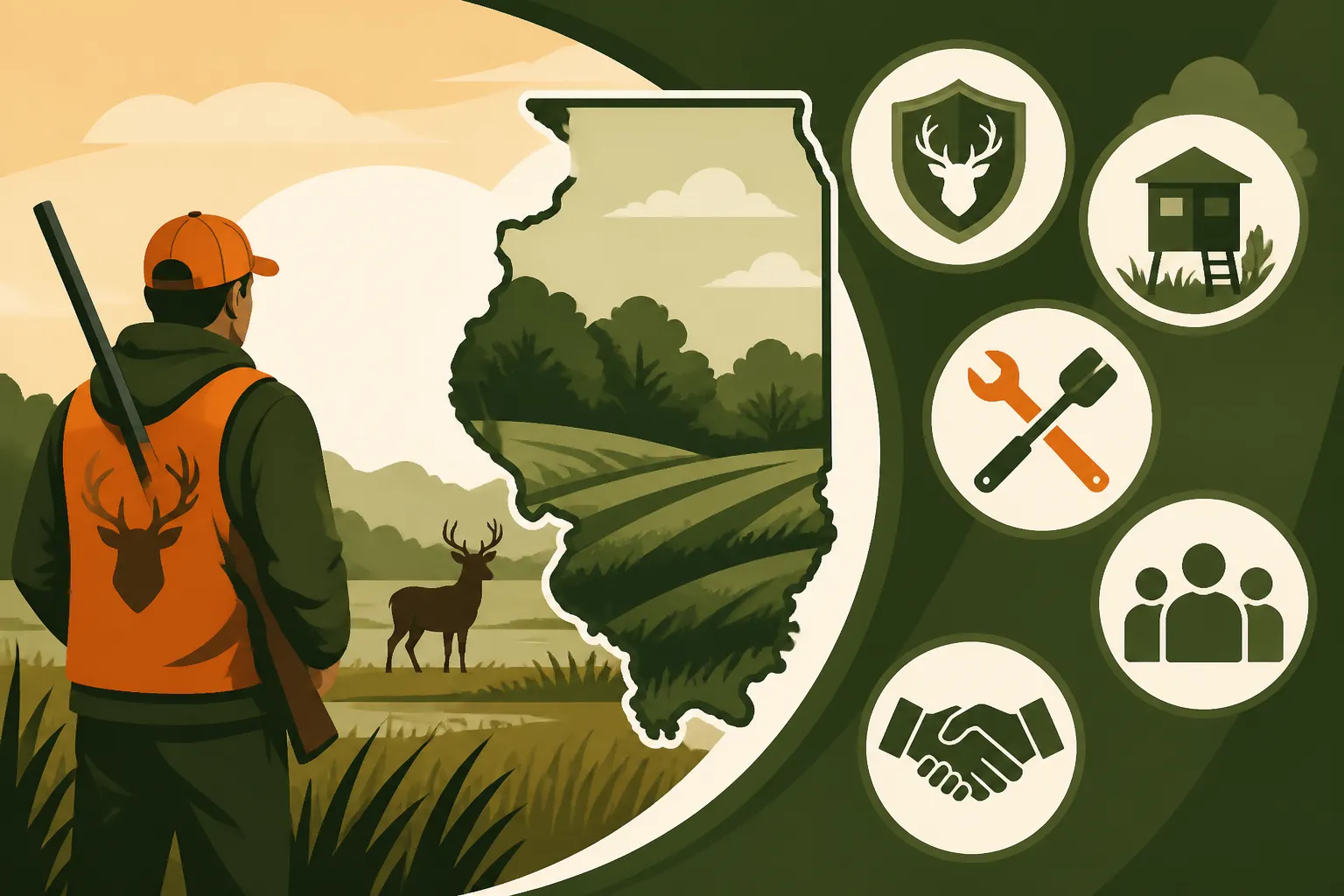
This often includes expenses for planting food plots—think lush clover fields, towering standing corn, or strategically placed brassicas designed to attract and hold deer throughout the season. It can also cover the cost of maintaining trails, conducting controlled burns, or even bringing in heavy equipment for timber stand improvement. Additionally, clubs frequently share communal equipment, such as utility vehicles, tractors for food plot work, or even a shared cold storage facility for deer after a successful hunt. This pooled resource model is incredibly efficient, allowing members to enjoy benefits that would be far too expensive or impractical for an individual hunter to implement alone.
Access to Land and Infrastructure
When you pay hunting club dues in Illinois, a significant portion of that investment goes directly into providing you with high-quality, managed hunting territory and the necessary infrastructure to support your pursuits. This isn't just about showing up with your bow or gun; it's about walking onto land that has been intentionally improved and equipped for optimal hunting.
Exclusive Tracts of Land
The cornerstone of any hunting club membership is the securement of exclusive tracts of land. These are not merely patches of woods, but often prime hunting ground, strategically located in areas known for abundant game. Clubs typically lease large parcels of private property from landowners, which can range from sprawling farmlands with woodlots and creek bottoms to rugged timbered hillsides. Your dues ensure that these leases are maintained year after year, providing consistent access.
The quality and size of these leased lands are often a direct reflection of the club's financial health and the amount of the dues. Some clubs might manage thousands of acres, offering a diverse range of habitats and hunting opportunities, from open field edges perfect for Sitting a Field Edge in Late Season to thick timber that acts as a bedding sanctuary. Other clubs might have smaller, more intensely managed parcels. Crucially, this land is usually available to members for scouting, shed hunting, and other activities outside of the main hunting seasons, enhancing your connection to the property.
Established Stands and Blinds
Imagine arriving at your hunting spot without the annual headache of hauling in stands, trimming lanes, or building blinds. Many Illinois hunting clubs provide established stands and blinds as part of their infrastructure. These can range from comfortable enclosed tower blinds overlooking food plots or bottlenecks to strategically placed ladder stands and hang-on sets along known deer travel corridors. The advantage here is twofold: convenience and consistency.
These setups are typically maintained by the club, ensuring safety and optimal placement. Dues often cover the cost of purchasing new blinds, repairing existing ones, and maintaining access routes to them. Some clubs might have specific rules regarding personal stand placement versus club-provided stands, while others might allow members to hang their own equipment within certain guidelines, providing flexibility within a structured environment. Having these ready-to-hunt options drastically reduces the pre-season workload, allowing members more time to scout and focus on the actual hunt.
Lodging and Camp Facilities
For many, hunting is more than just the pursuit of game; it's an immersive experience that often includes fellowship and relaxation at a comfortable base camp. A significant benefit of some Illinois hunting clubs, especially those attracting members from a distance or catering to multi-day hunts, is the provision of lodging and camp facilities. This can vary from rustic cabins with basic amenities to fully-equipped lodges with private rooms, communal kitchens, and comfortable common areas.
These facilities act as the social hub of the club, fostering camaraderie among members. Dues might cover the upkeep of these buildings, utilities, and even some shared kitchen supplies. Some clubs also provide primitive camping spots or RV hookups, offering different levels of comfort and cost-effectiveness. Having a dedicated place to stay, share stories, and prepare for the next day's hunt transforms a solitary endeavor into a shared adventure. This is particularly appealing for those looking for a true "deer camp" experience, rather than just a place to hunt for a few hours.
Services and Amenities You Might Find
Beyond just land access and basic infrastructure, many Illinois hunting clubs enhance their value proposition by offering a suite of services and amenities designed to make your hunting experience more productive, enjoyable, and hassle-free. These offerings often distinguish a premium club from a more basic one, reflecting a deeper commitment to member satisfaction and game management.
Habitat Management and Food Plot Programs
A well-run hunting club understands that healthy game populations don't happen by accident; they're the result of dedicated habitat management. Your club dues often contribute to robust habitat management and food plot programs, transforming raw land into prime hunting habitat. This isn't just about scattering some seeds; it's a science, often involving soil testing, strategic crop rotation, and an understanding of local wildlife needs.
These programs can include planting highly nutritious forage crops like winter wheat, oats, clover, or various brassicas to provide consistent food sources throughout the year. It might also involve hinge-cutting trees to create bedding cover, clearing brush to promote new growth, or managing timber for mast production. Some clubs employ professional land managers or consultants to oversee these efforts, while others rely on dedicated members during organized work days. This proactive approach directly translates to more animals, healthier animals, and better hunting opportunities, especially when combined with a keen understanding of Late-Season Food Sources for Illinois Whitetails.
Game Processing and Cold Storage
The moment of truth after a successful hunt is often followed by the hard work of field dressing and processing your animal. Some Illinois hunting clubs offer invaluable services and facilities to ease this often-arduous task. This could mean a dedicated cleaning station with hoists, running water, and proper drainage, making the field dressing process much more efficient and hygienic.
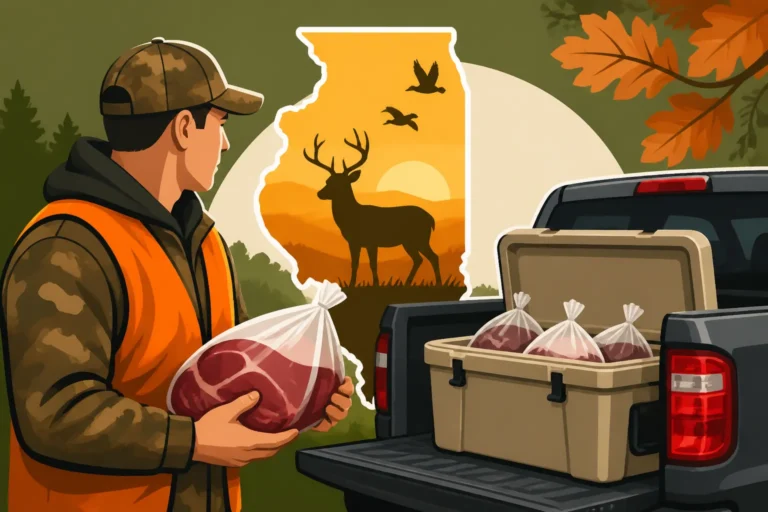
More comprehensive clubs might even provide walk-in coolers or freezer space for short-term cold storage of your game, which is a massive benefit, especially during warmer early-season hunts. While few clubs offer full-service butchering as part of the dues (that's typically an outfitter service), many will have relationships with local butchers or provide recommendations. This convenience not only saves you time and effort but also ensures your hard-earned venison is handled properly from the field to the freezer, upholding the quality of your harvest.
Social Events and Camaraderie
While hunting can be a solitary pursuit, many join clubs for the camaraderie and social aspect that naturally develops among like-minded individuals. Illinois hunting club dues often support a calendar of social events that foster this sense of community. These aren't just informal gatherings; they're often planned occasions designed to bring members together, share experiences, and strengthen bonds.
Examples include organized work days where members collaborate on food plot planting, stand maintenance, or trail clearing, often followed by a communal meal and plenty of storytelling. There might be annual banquets, barbecues, or even educational workshops on topics like deer scoring, calling techniques, or Scouting Illinois Public Land Before Season (even on private land, similar principles apply). This shared experience and the opportunity to build lasting friendships with fellow hunters is a significant, if intangible, benefit of club membership, and often makes the dues feel like a small price to pay for the community gained.
Understanding Financial Structures and Hidden Costs
Joining an Illinois hunting club means committing financially, and it's crucial to understand not only the obvious annual dues but also any potential hidden costs or additional charges that might arise. Transparency in a club's financial structure is key to avoiding surprises and ensuring you're getting the value you expect from your investment.
Annual Dues and Initiation Fees
The most straightforward costs associated with an Illinois hunting club are the annual dues. These are typically paid once a year and cover the bulk of the club's operating expenses, including land leases, insurance, maintenance of facilities, food plot supplies, and other general overhead. The amount of these dues can vary dramatically based on the club's location, the quality and size of its leased land, the amenities it offers, and the overall exclusivity. For example, a club with extensive land in a trophy buck region like Pike County or an established waterfowl club along Hunting the Illinois River Valley will likely command higher annual dues than a smaller, more modest club in a less renowned area.
In addition to annual dues, many clubs, particularly those with a limited number of memberships or highly desirable properties, will charge an initiation fee. This is a one-time, upfront cost required to join the club, essentially buying your way into the existing membership. Initiation fees help cover the initial setup costs, acquire capital improvements, or simply serve as a barrier to ensure serious, long-term members. It's important to clarify if an initiation fee is required, what it covers, and if any portion is refundable under certain circumstances, although refunds are rare. When considering Illinois Hunting Club Dues and Costs, always factor in both the annual commitment and any initial buy-in.
Additional Charges and Assessments
While annual dues are designed to cover most regular expenses, it's not uncommon for hunting clubs to have additional charges or periodic assessments that fall outside the standard membership fee. These are typically for specific projects, guest privileges, or sometimes even unexpected repairs. It’s essential to ask about these potential extra costs before joining to avoid any unpleasant surprises down the road.
Common additional charges might include guest fees, which allow members to bring a non-hunting friend or family member for a day or a weekend. Some clubs might have specific "work day" requirements, and if a member cannot participate, they might pay a monetary assessment in lieu of their labor. Larger capital improvement projects, such as building a new lodge or purchasing significant equipment, might sometimes lead to special assessments that all members are expected to contribute to. While less common in clubs compared to dedicated outfitters, some high-end clubs focused purely on trophy opportunities might even have a "trophy fee" for harvesting an animal exceeding a certain size, though this is rare and should be clearly outlined in any membership agreement.
Permit and License Responsibility
One thing your Illinois hunting club dues will almost certainly not cover are your personal hunting permits and licenses. As a member, you are still entirely responsible for purchasing and holding all necessary state licenses, stamps, and permits required by the Illinois Department of Natural Resources (IDNR). This is a fundamental aspect of hunting legality and personal responsibility.
You'll need your base Illinois Resident License Options or Illinois Nonresident License Options, the Illinois State Habitat Stamp, and any specific permits for the game you intend to hunt, such as deer permits (archery, firearm, or muzzleloader) or turkey permits. For migratory birds, you'll also need a Federal Duck Stamp and HIP certification. While some clubs might offer information or guidance on how to acquire these, the financial cost and the administrative responsibility ultimately fall to you. It's crucial to factor these individual permit costs into your overall hunting budget, as they are separate from your club membership fees.
Comparing Club Types and Their Offerings
Not all Illinois hunting clubs are created equal. The landscape of private hunting organizations is diverse, ranging from small, informal groups of friends to large, professionally managed operations. Understanding the different types of clubs and what they typically offer is crucial for finding one that aligns with your hunting style, budget, and expectations.
Large Corporate Leases vs. Small Syndicate Groups
One of the most significant distinctions in Illinois hunting clubs lies in their scale and management structure. On one end, you have the "large corporate leases" or professionally managed clubs. These often lease thousands of acres, sometimes across multiple counties, giving members vast territory to explore. They might employ full-time staff for habitat management, food plot planting, and property maintenance. These operations often feel more like a business, with clear rules, structured guest policies, and a high level of consistency in management.
In contrast, "small syndicate groups" are typically formed by a handful of friends or like-minded hunters who pool their resources to lease a smaller, more manageable tract of land. These groups operate on a more informal basis, with members often sharing the responsibility for land work, stand placement, and club finances. The camaraderie in these groups is usually very strong, and decisions are often made collaboratively. While potentially less polished than corporate leases, they can offer a very personal and flexible hunting experience. It's often easier to find Finding an Open Seat in an Illinois Club in a smaller syndicate, though it depends on turnover. For a deeper dive into these structures, you might find Family-Owned Versus Corporate Illinois Leases insightful.
Specialty Clubs Deer, Waterfowl, Multi-Species
Many clubs in Illinois specialize in a particular game species, tailoring their land management and infrastructure specifically to those animals. Deer clubs, for example, are common, focusing on creating optimal whitetail habitat through food plots, bedding cover, and strategic stand placement. Their dues go directly to attracting and holding deer, and rules often center around antler restrictions and harvest limits to improve the deer herd's age structure. These clubs are popular among hunters looking to consistently pursue White-Tailed Deer Across Illinois.
Waterfowl clubs are another prominent type, especially along major migration corridors like the Illinois River Valley and the Mississippi River. These clubs invest heavily in flooded timber, agricultural fields with irrigation, elaborate blind systems, and decoy spreads. Dues here cover pumping costs, blind maintenance, and often professional scouting services. For hunters interested in Waterfowl Hunting the Illinois River Valley, joining such a club provides unparalleled access to prime duck and goose habitat. Less common, but still available, are multi-species clubs that aim to provide opportunities for deer, turkey, and even Squirrel and Small Game Hunting in Illinois. These clubs offer a broader range of opportunities, though their focus might be less intense on any single species.
Location-Specific Advantages
The location of an Illinois hunting club significantly impacts what its dues include and the overall hunting experience it provides. Clubs situated in areas renowned for trophy whitetails, like Pike, Adams, or Brown counties, will often have higher dues reflecting the demand and quality of the hunting. These clubs often focus on managing for older-age-class bucks and might include extensive trail camera monitoring and strict harvest guidelines. Understanding Best Illinois Counties for Big Bucks can give you an idea of where these premium clubs are concentrated.
Conversely, clubs in southern Illinois, particularly near the vast public lands of the Shawnee National Forest, might leverage a mix of private land and proximity to public access, offering a different dynamic. Waterfowl clubs, by nature, are concentrated along the major rivers and their floodplains, with dues covering specialized infrastructure like levees, pumps, and pits. Understanding the regional strengths for various game species is crucial when evaluating a club's offerings and the value of its dues. For example, a club focused on Pheasant Hunting Illinois Grassland will have very different land management costs and strategies than one targeting whitetails.
| Club Type | Typical Dues Range | Land Access | Key Inclusions (beyond access) | Common Amenities | Best For |
|---|---|---|---|---|---|
| Small Syndicate (5-10 members) | Moderate | 100-500 leased acres, shared responsibilities | Food plot materials, shared stands/blinds | Basic cabin/camp, communal fire pit | Friends, DIY enthusiasts, strong camaraderie |
| Mid-Size Managed (10-30 members) | Moderate to High | 500-2000 leased acres, some staff | Professional food plot planting, stand upkeep | Modest lodge, cleaning station, shared equipment | Serious hunters, good balance of service/cost |
| Corporate/Luxury (30+ members) | High to Premium | 2000+ owned/leased acres, full-time staff | Extensive habitat management, guided options | Full lodge, chef, cold storage, game recovery | Non-residents, trophy hunters, full-service |
| Waterfowl Specific | High | Flooded fields/timber, river access | Blinds, decoys, pumps/levee maintenance, scouting | Lodge/pit blinds, boat access, dog kennels | Duck/goose hunters, consistent high volume |
Maximizing Value from Your Illinois Hunting Club Membership
Once you've joined an Illinois hunting club, your investment truly begins to pay off when you actively engage with the club and leverage the resources it provides. Simply paying your dues and showing up for opening day might offer some benefits, but to truly maximize the value of your membership, a more proactive approach is often necessary.
Active Participation and Contribution
The more you put into your hunting club, the more you'll get out of it. Active participation isn't just about showing up; it's about contributing your time, effort, and even expertise. Many clubs rely heavily on member volunteers for critical tasks like planting food plots, maintaining trails, repairing stands, or general lodge upkeep. Volunteering for work days not only helps the club but also gives you an intimate knowledge of the property, its deer movements, and where the best spots might be.
Beyond physical labor, sharing your knowledge and skills can be invaluable. If you're an expert at trail camera placement, a whiz with mapping software, or have a knack for reading sign, contribute those skills to the collective good. This collaborative spirit strengthens the club's community, builds relationships with fellow members, and ensures the property is managed to its fullest potential. Remember, every dollar of your dues works harder when paired with member effort.
Understanding Club Rules and Culture
Every hunting club has its own set of written rules and unwritten cultural norms. To avoid misunderstandings and ensure a positive experience, it's paramount to thoroughly understand both. The written rules typically cover critical aspects like guest policies (are guests allowed, and what are the fees?), harvest regulations (e.g., antler point restrictions, doe limits), stand placement guidelines, ATV usage, and quiet hours at the lodge. These are designed to ensure safety, fair access, and sustainable game management.
Beyond the formal rules, every club develops a unique culture. Is it a highly competitive environment focused solely on trophy bucks, or is it more laid-back and family-friendly? Is there an expectation for members to participate in work days, or is it optional? Does the club prioritize specific hunting methods, such as Rattling and Grunting in Illinois or Deer Drives With Three or Four Hunters? Observing and understanding these unwritten rules will help you integrate smoothly and get the most out of the social aspect of your membership. If you're researching potential clubs, platforms like BookYourHunt or GoHunt might occasionally feature higher-end club-like lease opportunities, where the expectations and rules are often clearly delineated, giving you a good benchmark.
Leveraging Technology and Resources
Modern hunting clubs often provide access to resources and tools that can significantly enhance your hunting strategy. Make sure you're leveraging these effectively. This might include shared access to digital property maps with known stand locations, food plots, and bedding areas marked, or even communal trail camera photo libraries that give insight into current deer movement. Some clubs might even provide advanced weather stations or real-time wind information to help you plan your hunts more precisely.
Beyond what the club directly offers, integrate your personal technology with the club's resources. Utilize mapping apps like onX Hunt to overlay property boundaries with club features, pinpointing exactly where you are and where the prime spots are located. Access data on Illinois Deer Population Estimate or Illinois Turkey Population Estimate for your club's region to better understand the game you're pursuing. The more informed you are, and the more you combine your club's specific knowledge with broader hunting intelligence, the better equipped you'll be to make the most of every minute you spend in the field.
Disclaimer
This article is for general informational purposes only and does not constitute professional advice. Laws, prices and regulations vary by location and change over time. Consult a qualified professional for guidance on your specific situation.