Where Illinois Gobblers Roost
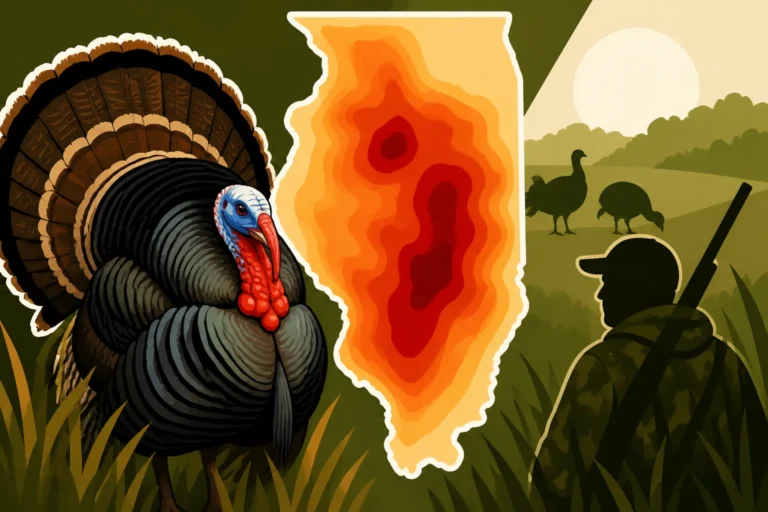
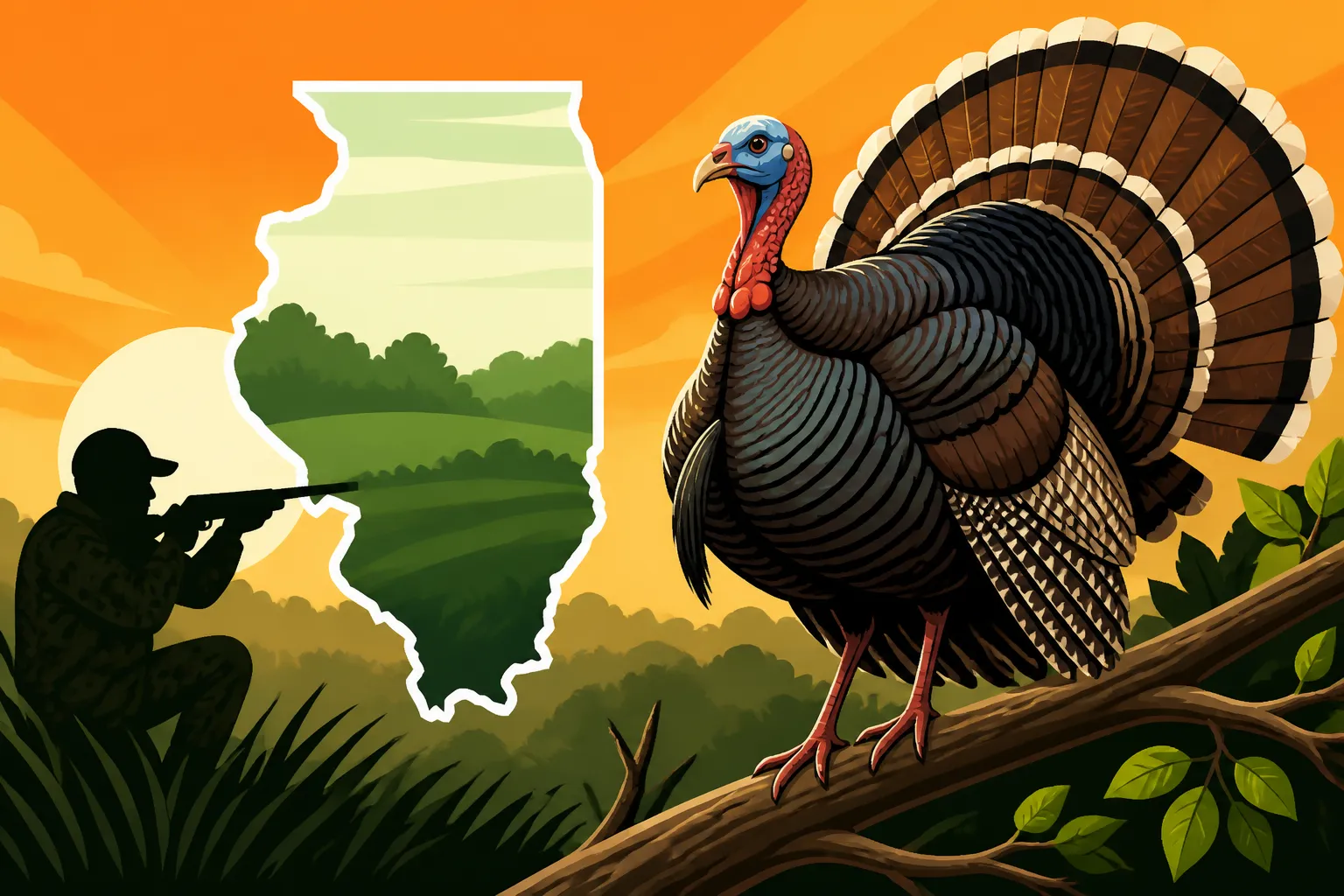
One of the most frustrating things for an Illinois turkey hunter is waking up before the sun, slipping into the woods, and setting up in what you think is the perfect spot, only to hear that first booming gobble echoing from a completely different direction. It feels like a punch to the gut, doesn't it? Knowing where Illinois gobblers prefer to roost can be the difference between that early morning disappointment and a successful hunt. This guide is all about helping you understand the roosting habits of Illinois turkeys, giving you the knowledge to consistently be in the right place at first light.
The Logic Behind a Gobbler's Roost Choice
It's easy to think turkeys just pick a tree and fly up, but there's a lot more intentionality behind their roost selections than we often give them credit for. A gobbler isn't just looking for any old branch; he's looking for security, a good vantage point, and sometimes even a strategic advantage for the morning. Understanding these underlying reasons can give you a significant leg up when you're trying to pinpoint their nighttime hideouts.
Security from Ground Predators
Predators are a constant threat to wild turkeys, and the roost tree is their sanctuary from many of these dangers. Coyotes, foxes, bobcats, and even raccoons are threats that turkeys largely avoid by getting off the ground. When a gobbler chooses a roost, he's prioritizing elevation and clear sightlines. Think about it: a turkey can hear extremely well, but from a tree, they also gain visual superiority. They want to be high enough to be out of reach and to spot anything moving below them long before it gets too close.
This quest for security often means they'll pick taller trees with strong, open branches that allow for an easy, unobstructed flight up and down. They avoid dense, brushy trees that might offer a predator a climbing path or hide a lurking danger in the canopy. Sometimes, you'll find them roosted over water, like a creek or river, adding another layer of defense against ground-based threats. It’s a smart move on their part, and recognizing this inherent need for safety helps us narrow down potential roosting zones.
Strategic Morning Vantage Points
Beyond just safety, a gobbler's roost is often chosen with the next morning's activities in mind. They aren't just sleeping; they're planning. From their elevated perch, they can get a lay of the land, listen for other turkeys, and sometimes even scout out potential hen congregations or food sources for the coming day. That first gobble off the limb isn't just an announcement; it's often a declaration of territory and an attempt to locate hens.
They'll often choose a roost tree on a ridge, a high point in a river bottom, or even on the edge of a field where they can survey a significant amount of territory. This strategic placement allows them to hear hens yelping from a distance or spot movement in an open field once they fly down. If you've ever noticed how sometimes a gobbler seems to fly down right into a specific area, it's often because he scoped it out from his roost. Understanding this can help you predict their morning movements and set up accordingly, potentially even using a strategy like Calling an Illinois Gobbler Off the Roost.
Prime Roosting Locations and Tree Species in Illinois
Illinois is a diverse state, from the rolling hills and hardwood forests of the south to the vast agricultural fields and scattered woodlots of central and northern regions. This variety means that while some roosting preferences are universal, others are very habitat-specific. Knowing what to look for in each region can significantly improve your success.
Southern Illinois Hardwoods and River Bottoms
In Southern Illinois, particularly areas like the Shawnee National Forest or the many river bottoms, turkeys have a wealth of timber to choose from. Here, they often favor mature hardwoods. Towering oaks, sycamores, and cottonwoods are prime candidates. They especially like those big, old trees that stand a little taller than their neighbors, providing a clear flight path and excellent visibility.
River bottoms are particularly magnetic for roosting turkeys. The presence of water offers an added layer of security, and the typically larger, older trees found along river corridors provide ideal roosting structure. Look for those massive cottonwoods and sycamores that form a canopy over a creek or river. Gobblers often roost on points or ridges that drop down into these bottoms, giving them a commanding view of the lowlands. When Hunting Illinois River Bottom Funnels, pay close attention to the tallest trees in those narrow strips of timber. Sometimes, even dead snags are chosen if they offer the right height and sturdy limbs, though they generally prefer live trees.
Central and Northern Illinois Woodlots and Field Edges
Moving into the agricultural heartland of Central and Northern Illinois, the landscape changes dramatically, and so do some of the roosting habits. Here, turkeys rely heavily on isolated woodlots, timbered fence rows, and the edges of larger timber blocks adjacent to fields. They'll still seek out the tallest trees, but those trees might be a smaller stand of mature oaks in a 20-acre woodlot rather than a vast forest.
Sycamores, silver maples, and towering oaks bordering corn or bean fields are often chosen. They provide the necessary height and an easy fly-down path directly into a potential feeding area. It's not uncommon to find several turkeys roosted in a single clump of trees if that clump is the dominant high point in an otherwise flat landscape. Identifying these "timber islands" within open country is crucial for Hunting Central Illinois Farmland Deer, and it’s equally important for turkeys. Always keep an eye out for larger, more isolated trees within these smaller woodlots, as they often become communal roosts.
Here's a quick look at common Illinois roost tree preferences:
| Tree Species | Common Locations | Roosting Preference Notes |
|---|---|---|
| Oak (White/Red) | Southern Hills, River Bottoms, Woodlots | Strong, widespread branches; excellent structure and height. |
| Sycamore | River Bottoms, Creek Corridors | Very tall, often grow near water; large, horizontal limbs. |
| Cottonwood | River Bottoms, Floodplains | Among the tallest trees in Illinois; huge crowns, open branches. |
| Silver Maple | River Bottoms, Field Edges | Grows tall and fast; often found in lowlands and along waterways. |
| Dead Snag | Variable, often near other timber | Chosen for extreme height/visibility, but less common due to stability. |
| Hickory | Upland Forests, Woodlots | Good height and strong limbs, often used in mixed hardwood stands. |
Scouting and Confirming Roosting Sites
Knowing where turkeys might roost is one thing; knowing where they actually roost is another. Effective scouting is paramount. This isn't just about walking around hoping to stumble upon a feather; it's a strategic effort that often pays dividends when opening morning arrives.
Evening Roosting Runs
One of the most effective ways to find roosting gobblers is to listen for them in the evening. As dusk approaches, turkeys will start moving towards their roost trees. They often make a few clucks and yelps before flying up, and then, crucially, they'll often gobble once or twice after they've landed on the limb. This "roost gobble" is your golden ticket.
To do an evening roosting run, drive or walk slowly along roads or trails that border promising timber, especially those near agricultural fields or river bottoms. Stop frequently and listen intently. Use locator calls—an owl hoot or a crow call—to try and provoke a shock gobble. Sometimes, even the sound of a slamming car door can elicit a response! If you get a gobble, mark the location on a mapping app like GoHunt. Try to get a sense of the distance and direction. You might even be able to slip in closer and watch them fly up, confirming their exact tree. Just be careful not to bump them; being busted off the roost once can make them change their patterns. This takes practice, but it's an invaluable skill for finding those Illinois Turkey Roost Tree Preferences.
Finding Physical Sign
While listening is key, finding physical sign can confirm a long-term roosting spot, or at least a frequently used area. Turkeys aren't the neatest sleepers. Beneath a heavily used roost tree, you'll often find a collection of droppings, feathers, and sometimes even broken small branches. Fresh droppings are a dead giveaway that turkeys have been using that tree recently.
Look for concentrated areas of sign, not just scattered remnants. If you find a spot with numerous droppings and several wing feathers, you've likely found a communal roost. Use your mapping tools, perhaps the satellite imagery on GoHunt, to identify clusters of tall trees, especially those near water or field edges. Then, physically walk into those areas and look for the sign. Remember, turkeys will often use the same roosting areas, if not the exact same trees, for extended periods, especially during stable weather conditions. Finding these recurring locations in the off-season can save you a lot of guesswork come spring.
Pre-Season Scouting and Observation
Pre-season scouting is about more than just finding tracks or rubs for deer; it's about understanding the entire ecosystem, including where your turkeys are living. Take walks in the timber, especially along ridge lines, creek bottoms, and the edges of large blocks of woods. Look for those towering trees that stand out. Pay attention to changes in elevation, as turkeys love to roost on high ground overlooking lower areas.
Observing turkeys during other seasons can also be incredibly helpful. If you see hens and poults in a particular area during the summer months, it's a good indication that male turkeys will likely be in the vicinity come spring, possibly using nearby timber for roosting. Remember, a gobbler's world revolves around hens, and they'll roost where they believe they can best locate them in the morning. Think about the entire annual cycle of Illinois Wild Turkey Nesting Success and how that might influence where birds spend their time.
Factors Influencing Roost Choice Beyond the Tree
Even with the best scouting, turkeys can sometimes throw us a curveball. That's because their roosting habits aren't solely determined by the perfect tree; external factors like weather, hunting pressure, and food availability also play a significant role. Being aware of these variables helps you adapt your strategy.
Weather Conditions and Comfort
Believe it or not, weather can absolutely influence a gobbler's roost choice. On calm, clear nights, they might be less particular, choosing trees that offer a good view. But when high winds roll in, they often seek more sheltered spots. This might mean roosting on the leeward side of a ridge or deeper within a timber block to escape the brunt of the wind. A strong cold front can also make them seek out denser cover to hunker down.
Conversely, a warm, still evening might encourage them to roost more openly, perhaps even in smaller, more exposed trees if they feel secure. After a heavy rain, they might still be drawn to those taller, more open trees that allow their feathers to dry out more quickly. It's all about comfort and survival, and sometimes that overrides the "perfect" roost tree. Pay attention to the forecast leading up to your hunt. If a storm is brewing, consider how it might shift their typical roosting spots.
Hunting Pressure and Disturbance
This is a big one, especially on public land. Turkeys are smart, and they quickly learn to avoid areas where they feel pressured. If a roost tree or an entire roosting area gets hunted heavily or disturbed frequently, those gobblers will find somewhere else to spend the night. This might mean moving to deeper, thicker timber, or even to a less ideal tree in a more secluded spot. The best example of this is when Opening Weekend Crowds on Illinois Public Land hit; turkeys often scatter from easily accessible areas.
This is where finding ground others walk past becomes crucial. Sometimes, the birds you're after are roosting just a hundred yards off a well-used trail, but in a patch of timber that looks less inviting to human hunters. When using a mapping app, look for those overlooked pockets of timber, small draws, or thickets that might offer refuge. Turkeys often sacrifice a bit of their preferred roosting structure for the sake of avoiding human contact. If you suspect pressure, adjust your scouting to focus on harder-to-reach areas.
Proximity to Food and Water
While roosting is primarily about safety, the convenience of being near prime food sources or water isn't overlooked. Turkeys will often roost within flying distance of a field full of waste grain, a patch of acorns, or a good bugging area. After flying down, their first order of business is often to feed and drink, especially after a long night.
This means that timber blocks adjacent to standing corn, cut soybean fields, or even oak flats that had a good mast crop can be prime roosting areas. If you've been scouting for Hunting After a Poor Acorn Year, remember that turkeys will shift their feeding patterns, and thus their roosting habits, to wherever the food is available. Similarly, roosting near a creek or pond offers easy access to water. Look for the confluence of security, food, and water when trying to predict where Illinois gobblers will settle in for the night.
Disclaimer
This article is for general informational purposes only and does not constitute professional advice. Laws, prices and regulations vary by location and change over time. Consult a qualified professional for guidance on your specific situation.