Feral Swine Sightings in Southern Illinois
Let's be real, folks. The idea of wild pigs roaming our beautiful Illinois landscape might sound like something out of a southern swamp tale, but for many of us, especially in the bottom half of the state, it's a very real, and often frustrating, problem. Feral swine are a destructive force, tearing up fields, polluting water, and competing with our native wildlife. If you've been seeing signs of these unwanted invaders or hearing whispers from neighbors, this guide is here to help you understand what you're dealing with, how to spot them, and most importantly, what steps you can take to help combat their spread in southern Illinois.
The Unwelcome Invasion: Understanding Feral Swine in Illinois
You might think of a pig as a farm animal, but feral hogs are a different beast entirely. They're a pervasive and destructive species, and their presence in Illinois, particularly in the southern counties, is a serious concern for farmers, landowners, and anyone who cares about our natural ecosystems. These aren't just a few escaped domestic pigs; these are self-sustaining, rapidly multiplying populations that have adapted to life in the wild.
What Exactly Are Feral Hogs?
Feral hogs, often called wild pigs or feral swine, are essentially domestic pigs that have escaped captivity and established wild populations. Over generations, they revert to a more "wild" state, developing thicker coats, longer snouts, and often tusks on the males. They become incredibly hardy and cunning, a far cry from the docile livestock you might see in a barnyard. What's truly concerning is their genetic makeup; many feral populations are a mix of domestic pig breeds and Eurasian wild boar, creating a creature that combines the prolific breeding of domestic pigs with the survival instincts and robust nature of wild boar.
The impact of these animals is profound. Environmentally, they destroy habitat by rooting up vast tracts of land, consuming native plants, and preying on ground-nesting birds and fawns. Agriculturally, their rooting can devastate crops, costing farmers significant financial losses. They also carry diseases, some of which can be transmitted to livestock and even humans, adding another layer of risk to their presence. Understanding what they are is the first step in appreciating the scale of the problem.
Why Southern Illinois? A Perfect Storm
So why has southern Illinois become a hotspot for these destructive animals? It's a combination of habitat, food availability, and a climate that allows them to thrive. The landscape of southern Illinois, with its dense timber, sprawling river bottoms, and swampy areas, provides ideal cover and refuge for feral hogs. Areas like the Shawnee National Forest, with its vast undeveloped tracts, offer secluded havens where these intelligent animals can hide and breed largely undisturbed.
Beyond cover, southern Illinois provides an abundant food supply. Acorns from the extensive oak forests are a primary food source, especially during fall and winter. But it's the proximity to agricultural fields that truly gives them an edge. Corn and soybean fields provide an irresistible buffet, allowing sounders (groups of pigs) to fatten up quickly. Add to this a milder climate compared to the northern reaches of the state, which reduces winter mortality, and you have a perfect breeding ground. They reproduce at an astonishing rate, with sows capable of having multiple litters a year, each producing a large number of piglets. This exponential growth makes eradication incredibly difficult, as new pigs are born faster than they can often be removed. Many wonder, How Many Feral Hogs Illinois Has statewide, and the answer is usually "too many," with a heavy concentration in these prime southern habitats.
Decoding the Signs: Identifying Feral Swine Sightings
Before you ever lay eyes on a feral hog, you'll likely notice the evidence they leave behind. These animals are masters of stealth, often nocturnal, but they can't hide the significant damage they cause. Knowing what to look for is crucial for identifying their presence, even if you don't get a visual.
Rooting and Soil Disturbance
This is, hands down, the most unmistakable sign of feral hog activity. When a sounder moves through an area, they use their powerful snouts to "root" or dig up the soil in search of tubers, roots, grubs, and other food sources. The result is a landscape that looks like it's been rototilled. You'll see patches of ground, sometimes extending for acres, completely turned over, with grass, leaves, and topsoil disturbed.
This isn't just unsightly; it's incredibly damaging. Rooting destroys native vegetation, disrupts forest ecosystems, and can lead to significant soil erosion, especially on sloped terrain or near waterways. For farmers, this means ripped-up pastures and devastated crops, leading to severe economic losses. When you're out scouting, pay close attention to the freshness of the rooting. Freshly turned soil is dark and moist, while older rooting will be drier, lighter in color, and may have some new weed growth. It's an important clue when you're trying to figure out if the hogs are still actively using the area.
Tracks, Scats, and Wallers
Beyond rooting, feral swine leave other calling cards. Their tracks are distinct: cloven hooves, much like a deer, but generally rounder and wider, often showing imprints of their dewclaws (the two small toes higher up on the leg) more prominently than deer tracks, especially in soft mud. If you're used to Reading Illinois Mud for Fresh Deer Movement, you'll quickly learn to differentiate the broader, rounder hog tracks from the more heart-shaped deer prints.
Their droppings, or scats, can be highly variable depending on their diet, but they typically resemble dog or even human waste, often cylindrical and somewhat segmented. They often contain undigested plant matter, seeds, or even insect parts. Finding fresh scat can tell you a lot about recent activity in the area.
Perhaps one of the most interesting signs is a "wallow." Feral hogs love mud. They'll create muddy depressions, often near water sources, which they use to cool down and coat themselves in mud to help deter parasites and insects. When they leave these wallows, they often rub against nearby trees, fence posts, or rocks, leaving behind patches of coarse, dark hair. These rub marks, especially if accompanied by tracks and rooting, are a strong indicator that hogs are in the vicinity.
Visual Confirmation and Behavior
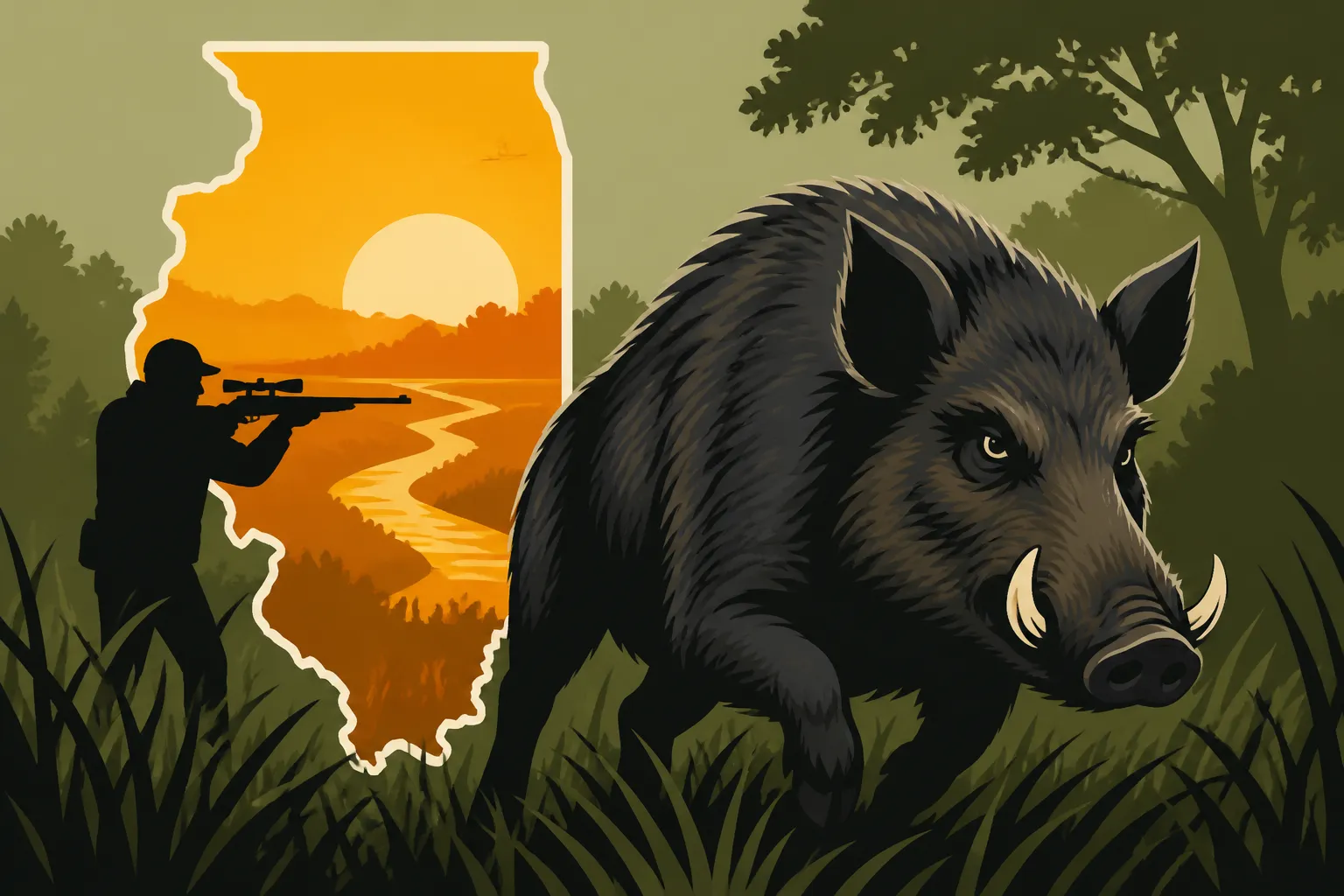
If you're lucky (or unlucky, depending on your perspective) enough to see a feral hog, you'll generally encounter them at dawn, dusk, or even throughout the night, as they tend to be most active when human disturbance is low. Their appearance can vary widely, but most will have coarse, dark hair, powerful shoulders, and a long, straight snout. Older boars often develop impressive tusks, which are actually elongated canine teeth, used for fighting and rooting.
They typically travel in sounders, which can range from a few individuals to dozens, especially a sow with her piglets. These groups are usually led by an older sow. While often wary and quick to flee, it's crucial to remember that they are wild animals and can be dangerous if cornered, especially a protective sow with young. Never approach them. Your best bet is to observe from a distance, gather as much information as possible, and then take the appropriate action, which we'll discuss next.
Your Role in the Fight: Reporting Feral Hog Sightings
Seeing a feral hog or its signs might be a startling experience, but it's vital to remember that you have a crucial role to play in managing these destructive animals. Your observations, no matter how small they seem, contribute to a larger effort to understand and control their populations in Illinois.
The Importance of Timely Reporting
Why is reporting so critical? Because the Illinois Department of Natural Resources (IDNR) relies on public input to accurately map the spread and concentration of feral swine. Without this data, their efforts to control and eventually eradicate these animals are significantly hampered. Early detection in new areas is particularly important; a small, newly established sounder is much easier to remove than a large, entrenched population.
Every sighting helps paint a clearer picture of where these animals are active, allowing the IDNR to focus resources effectively. It's about preventing a small problem from becoming an insurmountable one. Think of it as being a part of the statewide wildlife monitoring network. The more eyes on the ground, the better chance we have of containing this issue. Make sure you understand Illinois Feral Hog Regulations before taking any direct action.
How and Where to Report
When you encounter signs of feral hogs or see them directly, gathering specific information is key. The IDNR typically has an online reporting system or a designated phone number for wildlife sightings. Here's what to collect:
- Date and Time: When did you see the hogs or their sign?
- Specific Location: The more precise, the better. GPS coordinates are ideal. If you don't have GPS, a detailed description of the nearest road, intersection, or landmark is essential.
- Number of Animals: An estimate is fine. Was it a lone hog, a sow with piglets, or a large sounder?
- Estimated Size/Description: Were they small, medium, or large? What color were they? Did any have prominent tusks?
- Direction of Travel: If you saw them moving, which way were they headed?
- Evidence: Did you see rooting, tracks, wallows, or rubs?
- Photos/Videos: If it's safe to do so from a distance, photographic evidence is incredibly helpful for verification.
Many modern hunting and outdoor apps, such as GoHunt, allow you to drop pins and add notes with precise GPS coordinates, making it incredibly easy to record and later transfer this information to the IDNR. This kind of detailed data is invaluable for biologists and land managers.
What NOT to Do When You See Them
While it might be tempting to interact with them, or even to try and scare them off, there are some important things you should absolutely not do:
- Do not approach them: Feral hogs are wild and unpredictable. They can be aggressive, especially if they feel threatened or if a sow is protecting her piglets. Keep a safe distance.
- Do not feed them: This might seem obvious, but feeding any wild animal, especially a destructive invasive species, only habituates them to humans and draws them closer to residential or agricultural areas. It reinforces unwanted behavior.
- Do not move carcasses or parts out of the area: If you successfully harvest a hog, be mindful of potential disease transmission. Follow all IDNR guidelines for carcass disposal and movement, especially concerning Chronic Wasting Disease (CWD) if you're in a CWD-affected county. While CWD isn't typically found in hogs, other diseases can be.
If you are a hunter, remember that Hunting Illinois's Year-Round Feral Hogs is encouraged, and there are specific rules, particularly concerning Illinois's Year-Round Hog Rule on Private Land. Always ensure you have permission to be on the land and are familiar with all relevant regulations.
Eradication Efforts and Hunter Involvement
Unlike other game animals, feral swine are not managed for sustainable populations; they are targeted for eradication in Illinois. Their status as an invasive, destructive species means that controlling their numbers is crucial for protecting native wildlife and agricultural interests. This approach is fundamental to understanding why individual hunter efforts are so important.
Illinois's Stance on Feral Hogs
The state of Illinois takes a very clear and firm stance on feral hogs: they are an unprotected species. This means there's no closed season, no bag limit, and they can be harvested year-round on private land by licensed hunters, usually without needing a specific permit for the hog itself (though you still need a valid hunting license for the state). This aggressive approach stems from the severe ecological and economic damage they inflict. The IDNR considers them a nuisance animal, and rightly so. Why Illinois Treats Hogs as Unprotected isn't just a policy; it's a reflection of their destructive potential and status as an introduced species that directly harms our natural resources.
The goal isn't to create a hunting opportunity in the traditional sense, but to remove as many as possible to prevent their spread and reduce their overall population. Hunters are viewed as a critical component of this eradication strategy.
Hunting as a Control Method
For those with the necessary licenses and private land access, hunting is one of the most effective tools in the eradication toolbox. Given their unprotected status, it offers a unique opportunity for hunters to contribute directly to conservation.
- Year-Round Opportunity: With no season limits, hunters can pursue feral hogs whenever they find them, maximizing removal efforts. This means you can hunt them during deer season, turkey season, or even in the off-season for other game.
- Varied Methods: Hunters employ a range of tactics. Stalking through timber and river bottoms, setting up stands over active rooting areas, and even Night Hunting Hogs With Lights on Private Land are all common and legal methods on private land in Illinois. Be sure to check specific local ordinances and landowner permissions for night hunting.
- GoHunt and Scouting: Tools like GoHunt can be incredibly valuable here. By utilizing the mapping features, hunters can mark areas of recent hog sign, track movement patterns, and plan their hunts more effectively. This digital scouting can significantly increase success rates.
- Trapping: While hunting individual hogs is effective, trapping is often the most efficient method for removing entire sounders. Large, corral-style traps equipped with remote monitoring systems can catch multiple pigs at once. Trapping Illinois Feral Hogs is a specialized skill, but highly effective, and often employed by landowners and wildlife professionals to clear out persistent populations. For those interested in this, researching Illinois Hog Trapping Success Rates can provide valuable insights into optimal strategies.
Remember, responsible hunting and adherence to Illinois Hog Hunting Permit Requirements (for your general hunting license, as there's no specific hog permit) are paramount.
The Broader Impact
The fight against feral hogs goes beyond just reducing numbers; it's about mitigating the widespread negative impacts these animals have on our state.
- Agricultural Devastation: The rooting behavior of feral hogs leads to catastrophic Crop Damage Hogs Cause in Illinois. Fields of corn, soybeans, and even hay can be decimated overnight, resulting in massive financial losses for farmers already operating on tight margins. They'll eat seeds, seedlings, and mature crops, often rendering entire fields unusable.
- Ecological Damage: Beyond agriculture, the Illinois Feral Hog Diet and Rooting Damage extends deep into natural ecosystems. By consuming acorns, they compete directly with native wildlife like deer and turkeys. Their rooting destroys the delicate understory vegetation, alters soil composition, and can severely impact water quality by increasing erosion into streams and rivers. They also prey on eggs and young of ground-nesting birds and other small animals, directly threatening native populations.
- Disease Concerns: While not currently widespread, feral hogs are known carriers of numerous diseases, including pseudorabies, brucellosis, and trichinosis, which can pose risks to domestic livestock and even humans. The constant threat of these diseases is a major concern for the agricultural industry. Although African Swine Fever (ASF) has not been detected in US feral hog populations, the potential for these animals to act as vectors for such devastating diseases remains a serious worry for animal health officials.
Ultimately, addressing feral swine sightings in southern Illinois is not just about managing a nuisance; it's about protecting our state's biodiversity, supporting our agricultural economy, and safeguarding public health. Your vigilance and willingness to report and participate in control efforts are vital contributions to this ongoing battle.
| Sign of Feral Hog Activity | Description | What to Look For |
|---|---|---|
| Rooting | Extensive digging and turning over of soil. | Plowed-up appearance in fields, forests, or pastures. |
| Tracks | Cloven hooves, rounder and wider than deer, often showing dewclaws. | Distinctive imprints in mud or soft ground. |
| Scat (Droppings) | Highly variable, often cylindrical, resembling dog waste, with plant matter. | Found near feeding areas, trails, or bedding sites. |
| Wallows | Muddy depressions used for cooling and parasite removal. | Often near water, with matted hair on nearby trees or rocks. |
| Rubs | Hair and mud rubbed off on trees or posts. | Coarse, dark hair strands on bark, often several feet high. |
| Trails | Well-worn paths through dense vegetation. | Clear paths leading to food, water, or bedding areas. |
Disclaimer
This article is for general informational purposes only and does not constitute professional advice. Laws, prices and regulations vary by location and change over time. Consult a qualified professional for guidance on your specific situation.