How Illinois Quail Numbers Fell Since the 1960s
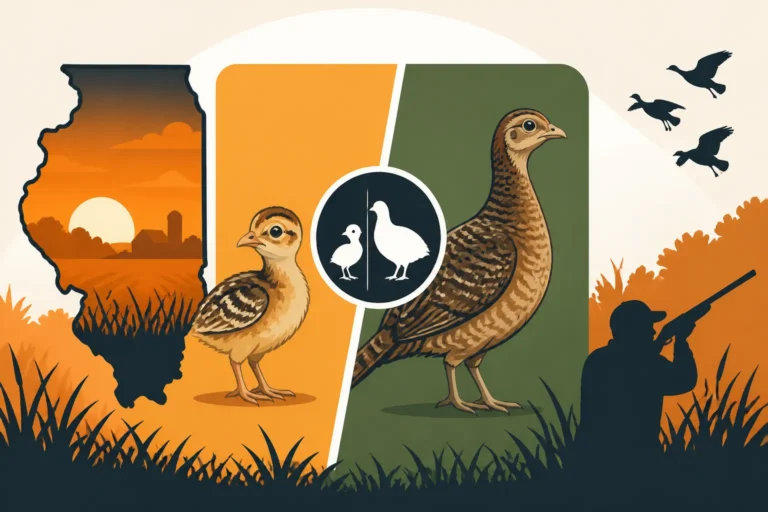
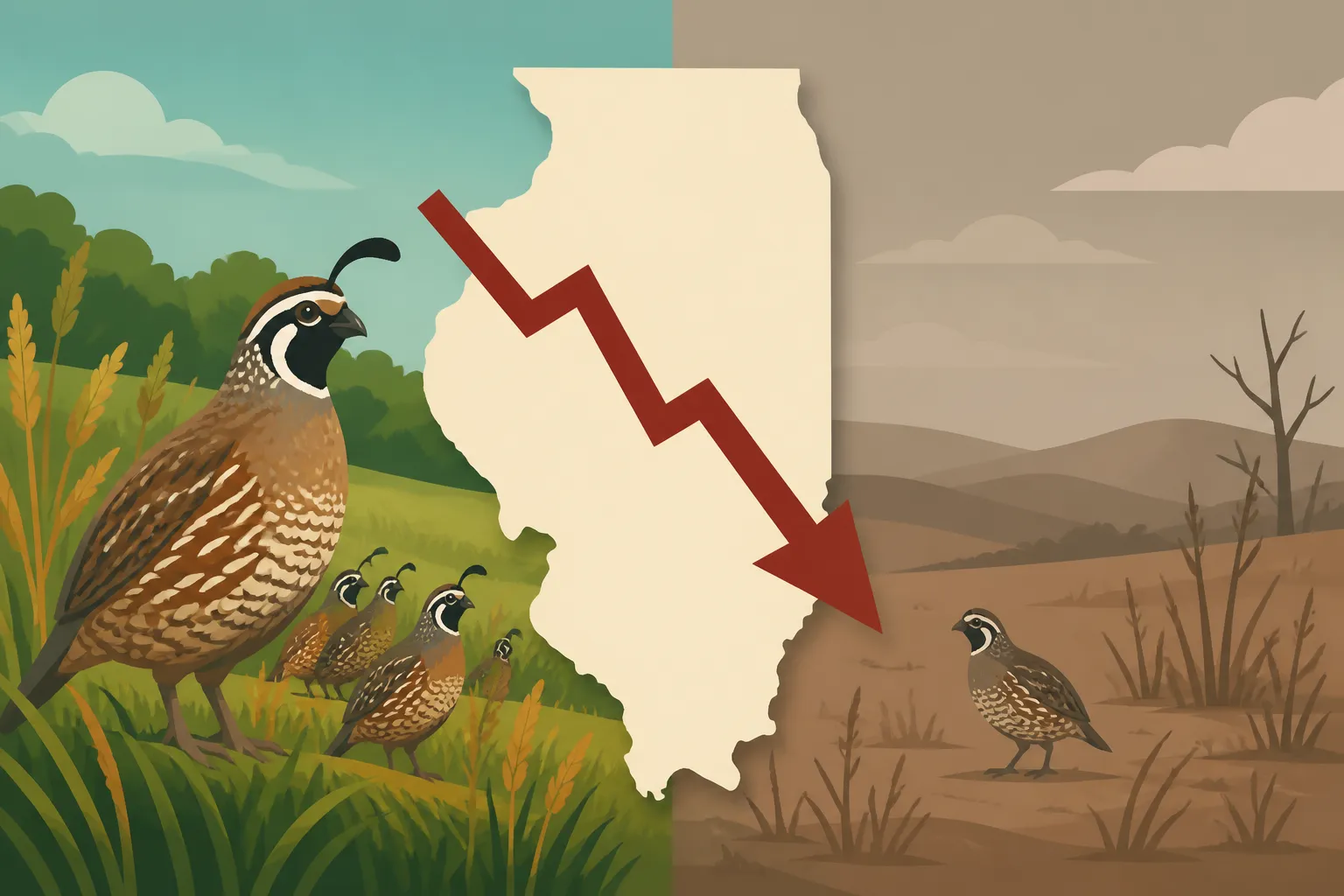
There's a quiet hum in the fields now where once the distinctive "bob-white!" call echoed. For many of us who grew up in Illinois, the sound of a covey exploding from a fencerow was just a part of autumn. But that sound has become increasingly rare, leaving a lot of us wondering what happened to the once-abundant bobwhite quail. This guide will walk through the critical changes that led to the significant decline in Illinois quail numbers since the 1960s, exploring the ecological shifts that reshaped our landscape and affected this beloved game bird.
The Golden Age of Illinois Quail Hunting Before the Slide
It's hard for younger hunters to imagine, but there was a time in Illinois when bobwhite quail were absolutely everywhere. Their distinctive call was a constant soundtrack to rural life, and finding a covey or two wasn't a question of "if," but "when." This wasn't some ancient history; it was well within living memory for many of us, especially before the widespread agricultural shifts that began in earnest around the 1960s.
Back then, the Illinois landscape, while certainly agricultural, was a patchwork quilt compared to today's vast monocultures. Farms were generally smaller, more diversified, and operated with practices that, perhaps unintentionally, created ideal habitat for quail. These birds thrive in what we call "early successional habitat"—a mix of young fields, brushy edges, and diverse plant life that provides food, cover, and nesting sites all in close proximity. And that's exactly what the older Illinois farmscape offered in spades.
A Landscape Transformed by Agriculture
Before the mid-20th century, farms across Illinois often had a much different character. Fields were smaller, bordered by dense fencerows laden with multiflora rose, osage orange, and various native shrubs. These weren't just property markers; they were linear oases of cover, providing crucial escape routes from predators and thermal protection in harsh weather. Farmers might also maintain small woodlots, often grazed lightly, which added to the structural diversity of the landscape.
Think about the crop rotations of that era, too. It wasn't just corn and soybeans, year after year, as far as the eye could see. There were pastures for cattle, fields of oats and hay, small plots of wheat, and often a fallow field or two left to "rest" for a season. These diverse crops and less intense farming practices meant a greater variety of weeds and insects, which are absolutely vital food sources for quail, especially the tiny chicks that need high-protein insects to survive their first weeks. It was an accidental buffet and fortress rolled into one for bobwhites.
The Sound of the Bobwhite Was Everywhere
The sheer abundance of these mixed-use landscapes meant that finding quail wasn't a challenging feat. You could walk almost any farm, and within a few hundred yards, you'd likely hear that cheerful "bob-white!" whistle from a fence post or the edge of a small timber. Their populations were robust, and annual harvests by hunters were often significant, yet the birds bounced back year after year thanks to ample breeding habitat and food. It felt like an endless resource.
Many veteran hunters still tell stories of double-digit covey flushes in a single morning, or of dogs going on point almost as soon as they left the truck. It was a time when the ecosystem was in a sweet spot for these ground-nesting birds. The mild winters and relatively stable climate, combined with prime habitat, allowed for high survival rates and successful breeding seasons. It truly was a golden age for Bobwhite Quail in Illinois, a stark contrast to what we observe today.
The Onset of Decline: Post-1960s Agricultural Revolution
The idyllic picture of abundant quail and diverse farmlands began to unravel significantly after the 1960s. This period marked a profound transformation in American agriculture, driven by technological advancements, economic pressures, and a national push for increased food production. The changes were so sweeping that they fundamentally altered the Illinois landscape, removing much of the critical habitat that bobwhite quail needed to thrive. It wasn't a sudden crash, but a steady, insidious erosion of their world.
The shift was almost imperceptible to many at first, but over decades, the cumulative effect was devastating for ground-nesting birds like quail. What worked well for maximizing crop yields proved to be disastrous for wildlife that relied on the "messy" parts of the farm. The efficiency that benefited human agricultural endeavors became a death knell for quail.
Larger Farms, Larger Fields, Fewer Edges
One of the most impactful changes was the consolidation of farms and the drive towards larger, more uniform fields. Small family farms began giving way to larger operations, and with that came the push to maximize every tillable acre. This meant the widespread removal of those old, brushy fencerows, hedgerows, and small, scattered woodlots that had been the lifeblood of quail habitat. They were seen as unproductive space, obstacles to large machinery, and breeding grounds for crop pests.
Imagine a farmer looking at a small, meandering creek with brush on either side. In the past, that might have been left alone. Post-1960s, that same farmer might tile the wet ground, straighten the creek, and clear out all the brush to plant right up to the new, clean ditch. This "clean farming" approach, while economically rational for the farmer, eliminated countless miles of prime quail cover and travel corridors. The diverse mosaic of fields, pastures, and wooded edges was replaced by vast expanses of monoculture, primarily corn and soybeans, stretching unbroken for hundreds of acres. This effectively turned vast areas into biological deserts for quail, which need dense cover for nesting, brooding, and escape within a short distance of food. When you think about Hunting Central Illinois Farmland Deer, you often see those massive fields, and that's exactly the kind of landscape that emerged.
The Impact of Herbicides and Pesticides
Alongside the physical restructuring of the landscape came the widespread adoption of agricultural chemicals: herbicides and pesticides. Herbicides, designed to kill weeds, were incredibly effective at clearing out competing vegetation in crop fields. The problem for quail, however, is that many of these "weeds" were vital food sources. Seeds from ragweed, smartweed, and other common field edge plants were a staple in a quail's diet, especially through the lean winter months. When these plants were eradicated, so too was a significant portion of their food supply.
Pesticides presented another critical challenge. Quail chicks, particularly in their first few weeks of life, rely almost exclusively on insects for their protein-rich diet. These tiny bugs provide the essential nutrients for rapid growth and development. When insecticides were applied widely to protect crops from insect pests, the beneficial insects that quail chicks fed on were also decimated. Without this crucial food source, chick survival rates plummeted, leading to fewer young birds making it to adulthood and ultimately fewer birds to reproduce the following season. It's a vicious cycle where the chemicals removed both the adult food source and the chick food source.
Loss of Diverse Cover and Nesting Sites
Quail are masters of camouflage, but they can't hide in thin air. They require a specific type of cover for every stage of their life cycle: dense, grassy clumps for nesting, open ground with overhead cover for brooding chicks (where they can easily catch insects but remain hidden from aerial predators), and thick, brushy areas for escape and winter roosting. The agricultural revolution systematically eliminated these vital cover types.
As fencerows were removed, pastures were converted to row crops, and odd corners of fields were tilled, the diverse structure that once supported quail simply vanished. Imagine trying to nest in a vast, open cornfield, or find shelter from a hawk in a recently tilled soybean field. It's impossible. Quail need that complex, multi-layered habitat that includes tall grasses, brush, and small trees, all within easy walking distance. The clean farming practices essentially sterilized the landscape, leaving little to no "early successional habitat" that is so critical for their survival. Without safe places to nest and raise young, populations had no way to replenish themselves. This loss of thick, protective habitat also severely impacted species like cottontail rabbits, leading to efforts focused on Rabbit Hunting Illinois Fencerows for what little cover remains.
Beyond Agriculture: Other Contributing Factors to Quail Decline
While the transformation of agricultural practices stands as the primary culprit in the decline of Illinois's bobwhite quail, it wasn't the only factor at play. A complex web of environmental changes, shifting predator dynamics, human development, and even natural weather patterns compounded the problems created by habitat loss, further pushing quail populations towards their current precarious state. It's rarely one single thing that causes such a dramatic shift in a species, but rather a combination of pressures that push them beyond their ability to adapt.
These additional pressures, while perhaps not as globally impactful as the changes in farming, nevertheless contribute significantly to the local struggles of quail coveys attempting to eke out a living in an increasingly hostile landscape. Understanding these layers helps paint a more complete picture of the challenges facing our feathered friends.
Changing Predator Dynamics
With shrinking and fragmented habitat, remaining quail populations often become concentrated in smaller, isolated pockets. This can inadvertently make them more vulnerable to predation. While predators like coyotes, raccoons, and opossums have always been a part of the ecosystem, their impact can be magnified when prey species are under stress from other factors. As areas of suitable cover diminish, predators learn to focus their efforts on these remaining havens, leading to higher rates of nest predation and adult quail mortality.
Furthermore, some predator populations have seen significant comebacks. Illinois Coyote Range and Density, for example, has expanded considerably, and while coyotes aren't generally thought of as primary quail predators, they are opportunistic and will take advantage of vulnerable prey. Other species like raccoons and opossums, excellent nest robbers, can thrive in fragmented habitats and agricultural edges, putting additional pressure on ground-nesting birds. When quail populations are low and their habitat is sparse, every nest lost to a predator hits much harder than it would in a robust, widespread population.
Increased Pressure and Urban Sprawl
While habitat loss is the overwhelming driver, increased hunting pressure in some areas, especially where pockets of quail persist, can also play a minor role in localized declines, particularly if not managed carefully. However, a more pervasive human impact is the relentless march of urban and suburban sprawl. As towns grow and cities expand, natural and semi-natural habitats are consumed by housing developments, commercial zones, and infrastructure like roads and highways.
This development not only destroys existing quail habitat but also fragments what remains. A large, continuous block of suitable habitat is infinitely more valuable to a quail population than several small, isolated patches. Small patches are harder for birds to disperse between, more susceptible to "edge effects" (like increased predation), and less resilient to environmental disturbances. Think of a highway cutting through a quail's home range—it creates an impassable barrier, isolating populations and reducing genetic diversity over time.
Weather Extremes and Disease
Even the weather, a seemingly uncontrollable factor, plays a more significant role when quail populations are already vulnerable. Bobwhites are surprisingly resilient, but only up to a point. Severe winters with prolonged periods of deep snow and ice can decimate coveys, especially if food sources are buried and thermal cover is insufficient. Similarly, unusually wet springs can flood nests and drown chicks, while prolonged droughts can reduce insect populations (critical chick food) and delay nesting.
When populations are robust and widely distributed, a bad weather year in one area might be offset by good conditions elsewhere, allowing the species to recover. But when populations are already low and fragmented, a single harsh winter or a particularly bad breeding season due to weather can push a local covey to extinction. Disease outbreaks, though less common as a primary driver, can also have a localized impact, particularly when birds are stressed by poor habitat and nutrition. Avian diseases, when they sweep through a susceptible population, can be another hurdle to recovery.
Hope for the Bobwhite: Restoration Efforts and What Hunters Can Do
It's easy to feel a sense of loss when you reflect on the decline of Illinois's bobwhite quail. Many of us remember a time when their calls filled the air, and the quiet fields now feel a little emptier. But despair doesn't help anyone. The good news is that the challenges facing quail are largely understood, and dedicated individuals, conservation organizations, and state agencies are working tirelessly on solutions. While we may never return to the quail numbers of the 1950s, significant progress can be made, and every hunter and landowner has a role to play.
The future of the bobwhite in Illinois hinges on our collective commitment to restoring their forgotten landscapes. It's a long road, but one well worth traveling for the sake of these iconic game birds and the rich heritage they represent.
Habitat Restoration Initiatives
The core of any quail recovery strategy revolves around habitat, specifically bringing back that diverse, early successional cover that defines good quail country. Across Illinois, various conservation initiatives are actively promoting habitat restoration. These often involve planting native grasses and wildflowers, establishing brushy field borders, and managing existing woodlands for an open, savanna-like understory. Programs often aim to re-establish prairie strips, switchgrass fields, and diverse forb plots that provide both food and cover throughout the year.
Organizations like Quail Forever work directly with landowners and state agencies to implement these practices, providing technical guidance and sometimes financial assistance. The Illinois Department of Natural Resources (IDNR) also has programs designed to encourage habitat improvements on private lands, which are absolutely crucial given that most of Illinois is privately owned. These efforts are focused on creating interconnected patches of habitat, recognizing that quail need a network of suitable areas, not just isolated islands. They're helping farmers understand how they can integrate wildlife-friendly practices without sacrificing agricultural productivity. It’s similar in spirit to efforts aimed at Illinois Rabbit Habitat Restoration Efforts or Pheasant Hunting Illinois Grassland, focusing on recreating the specific environments these birds need. When looking for potential areas for habitat work, tools like GoHunt can provide valuable insights into current land use and identify areas with potential for restoration.
The Role of Private Landowners and GoHunt
While public lands certainly play a role, the vast majority of potential quail habitat in Illinois lies on private property. This means that private landowners are the undisputed heroes of any quail recovery effort. Their decisions on how to manage their land, whether it's leaving a brushy ditch row, planting a native grass field, or simply delaying mowing certain areas, have a monumental impact. Educating and engaging these landowners is paramount. Conservation groups often work to show the multiple benefits of habitat work, from soil health and water quality to aesthetic appeal and, of course, increased wildlife.
For landowners interested in making a difference, resources are available to help them understand what kind of habitat improvements would best suit their property. Tools like GoHunt can be incredibly useful for visualizing land features, understanding soil types, and even identifying areas that might naturally lend themselves to specific habitat projects. Landowners can use such platforms to map out potential food plots, cover strips, or areas to let grow wild. Connecting with local IDNR private land biologists or Quail Forever representatives can also provide hands-on expertise and access to cost-share programs. It's about empowering those who own the land to become stewards of wildlife. For hunters, building relationships and Knocking on Doors in Central Illinois Farm Country is key, and perhaps sharing these habitat success stories can inspire more private land conservation.
Looking to the Future
Restoring bobwhite quail populations to robust numbers in Illinois is a long-term commitment, not a quick fix. It requires sustained effort, funding, and a widespread understanding of the species' needs. However, the dedication of conservationists, hunters, and landowners offers genuine hope. Every acre of restored habitat, every fencerow allowed to grow wild, and every field edge managed for quail contributes to the larger picture.
Hunters, in particular, can be powerful advocates. By supporting conservation organizations through memberships and donations, advocating for habitat-friendly agricultural policies, and educating others about the importance of diverse landscapes, they directly contribute to the future of quail hunting. Furthermore, utilizing tools like GoHunt to scout and understand potential habitat on public lands can help hunters identify areas that are already managed for small game, or those that show promise for future improvement. Being informed about Illinois Quail Season Status and understanding the regulations ensures sustainable hunting practices. The quiet fields don't have to stay quiet forever; with continued effort, the cheerful "bob-white!" can once again become a more common sound across the Illinois countryside. The Illinois State Habitat Stamp is another vital resource, as the funds from its purchase directly support the kind of habitat improvements that benefit quail and other small game.
| Feature / Practice | Before 1960s (Quail-Friendly) | After 1960s (Quail-Hostile) | Impact on Quail |
|---|---|---|---|
| Farm Size | Smaller, diverse family farms | Larger, consolidated operations | Loss of varied habitat patchwork |
| Field Edges | Brushy fencerows, hedgerows | Clean-farmed, removed | Eliminates escape, nesting, and brooding cover |
| Crop Diversity | Mixed grains, pastures, fallow fields | Monoculture (corn/soybeans) | Reduces varied food sources, simplifies cover |
| Weed Control | Mechanical, less intensive | Widespread herbicide use | Removes crucial seed and insect food sources |
| Pest Control | Limited, natural predators | Widespread pesticide use | Decimates insect populations, critical for chicks |
| Cover Type | Early successional, diverse shrubs, grasses | Open, uniform crop fields | Lack of nesting, brooding, and winter cover |
| Habitat Connectivity | Interconnected network of small features | Fragmented, isolated patches | Limits dispersal, increases predation vulnerability |
Disclaimer
This article is for general informational purposes only and does not constitute professional advice. Laws, prices and regulations vary by location and change over time. Consult a qualified professional for guidance on your specific situation.