Illinois Turkey Gobbling Activity Timing
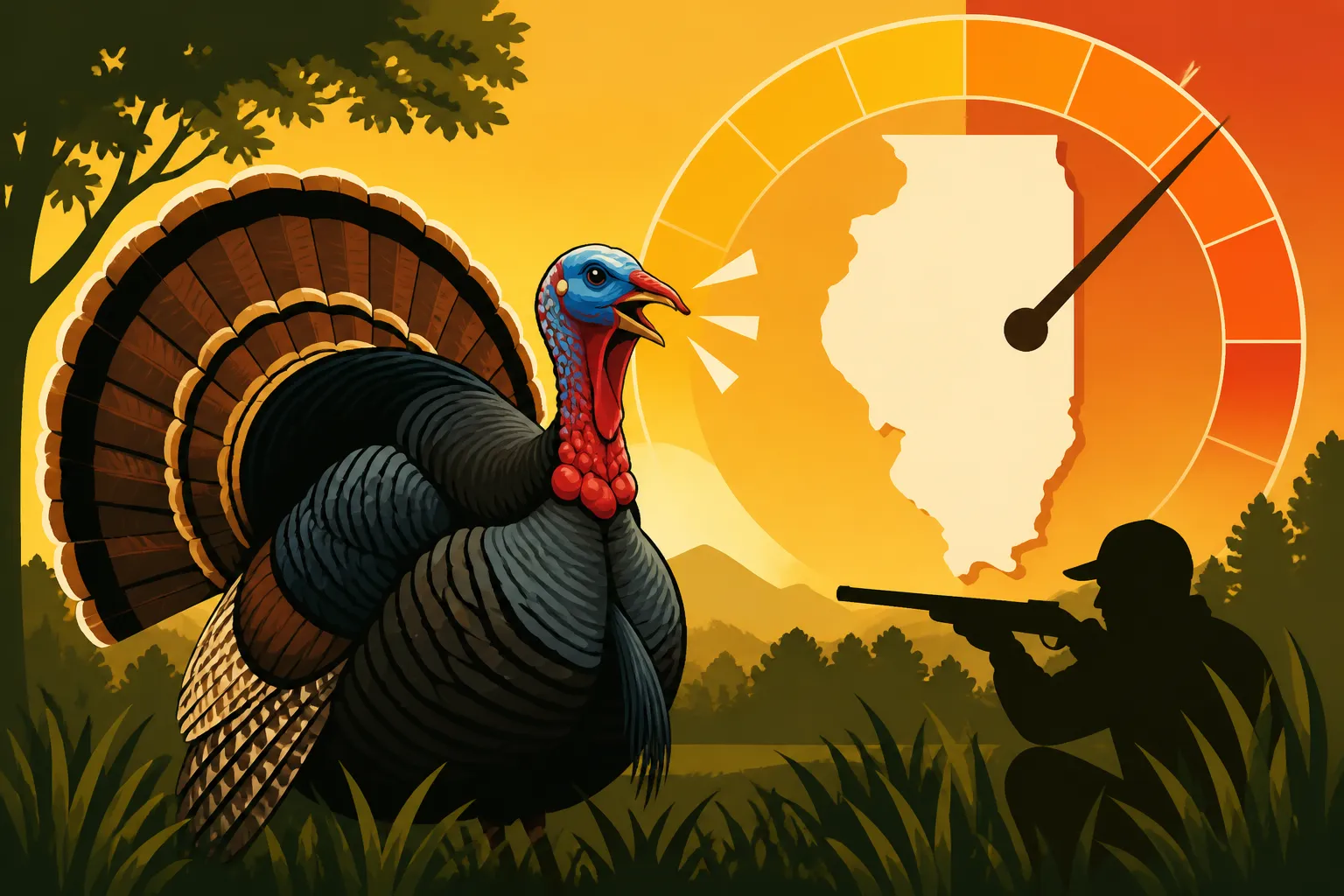
One of the most thrilling parts of spring turkey hunting in Illinois is that heart-stopping moment when a gobbler first sounds off, rattling the quiet woods. But if you’ve ever sat in the predawn darkness, listening intently and hearing nothing but the rustle of leaves, you know the frustration of trying to predict when these vocal birds decide to speak up. It can feel like pure guesswork, especially when you’re trying to make the most of those precious few hours in the field. This guide is here to unravel the mysteries of Illinois turkey gobbling activity, helping you understand the rhythm of the birds throughout the spring season and even across different parts of the day, so you can adapt your tactics and increase your chances of success.
The Rhythmic Pulse of the Woods: Understanding Turkey Gobbling
For us turkey hunters, the gobble is the ultimate beacon. It’s the sound that gets us out of bed long before the sun, sending shivers down our spine. But beyond the thrill, understanding why wild turkeys gobble in Illinois, and what factors influence that vocalization, is key to being consistently successful. It's not just random noise; it's a communication system, and learning to interpret it is like learning their language.
Turkeys primarily gobble for two main reasons: establishing dominance and attracting hens. In the spring, as daylight hours lengthen and temperatures rise, gobblers are driven by the primal urge to breed. They want to let every hen within earshot know they're big, strong, and ready. At the same time, they're signaling to other gobblers, effectively staking their claim in a certain area. This competitive aspect means that sometimes, one gobbler's call can trigger a chain reaction, making the woods come alive with sound.
However, gobbling isn't constant, nor is it purely a biological drive. Environmental factors play a huge role. Things like weather patterns, changes in barometric pressure, the time of day, and even the amount of hunting pressure in an area can crank up or dial down a gobbler's vocal enthusiasm. If you've been out there enough, you've seen it firsthand: some mornings are electric with sound, while others are eerily silent. Learning to read these nuances is part of the challenge and reward of chasing Wild Turkeys in Illinois.
Seasonal Shifts in Illinois Gobbling Activity
The Illinois spring turkey season isn't a monolithic block of time; it's broken into distinct periods that can see vastly different gobbling intensity. Understanding these shifts is crucial, as the birds' behavior changes as the season progresses, and so should your strategy. The timing of these periods, coupled with the behavior of hens, dictates a lot about when and how often gobblers will sound off.
Early Season Anticipation
When the first periods of the spring season open, especially for those in the southern zones, you might find gobbling to be a bit more sporadic than what you envision as "peak." The air can still be chilly, and while the breeding instinct is strong, hens might not be as receptive or dispersed as they will be later. This can lead to gobblers being a little more tight-lipped initially, perhaps only gobbling aggressively on the roost or in response to direct calls.
However, when they do gobble in the early season, it can be an incredibly intense, aggressive sound. These birds haven't been pressured much, and they're often trying to gather a harem of hens. You might hear dominant birds gobbling their heads off, trying to draw in any unbred hens. Hunters who are out during Hunting an Early South Zone Turkey Period often report that while the total volume of gobbling might be lower than peak, the quality of the gobble – its fervor and consistency – can be top-notch, leading to some memorable interactions. If you hear one, it's often a committed bird.
Peak Rut Intensity
This is what most turkey hunters dream about: the heart of the breeding season, often falling in late April to early May, depending on the zone and specific year. During these periods, hens are actively seeking gobblers, and gobblers are very vocal. The woods often erupt into a cacophony of gobbling as soon as the first hint of light hits the treetops. You'll hear multiple birds sounding off from different directions, often vying for attention.
Hens are either laying eggs or already sitting on nests, but many are still receptive to breeding. This means gobblers are highly motivated to find those remaining unbred hens. This period sees the most consistent and widespread gobbling. It's when run-and-gun tactics can really shine because the sheer volume of sound helps you locate birds quickly. This is also the time when gobblers might be more prone to abandoning a real hen to investigate a hunter's calls, especially if they believe there's a new hen in town. Understanding the Illinois Spring Turkey Zones and Periods can help you time your hunts for this exhilarating peak.
Late Season Lulls and Isolated Gobbles
As the calendar rolls into late May and towards the close of the season, especially in zones like the North Zone, gobbling activity typically begins to wane. Most hens have been bred and are committed to nesting. Gobblers, having spent weeks chasing hens and fighting rivals, are often "henned up" or have simply become less interested in gobbling. They might still respond to calls, but their enthusiasm can be considerably muted.
Finding a gobbler at this stage often requires more patience and a different approach. You might hear only sporadic gobbling, often from lone birds that either haven't found a mate or have been abandoned by their hens. These birds can be incredibly tough to hunt, but they can also be the most responsive to aggressive calling, as they're actively seeking companionship. For those Hunting a Late North Zone Turkey Period, it becomes less about chasing constant gobbling and more about patient setup, smart calling, and being in the right place when a bird finally decides to speak. Don't discount this time, though; a quiet woods means you might have to work harder, but the reward of a hard-earned bird is just as sweet.
Daily Rhythms of the Illinois Gobbler
Just as gobbling changes throughout the season, it also fluctuates significantly throughout a single day. Turkeys, much like us, have their routines, and understanding these daily rhythms can dramatically improve your odds, whether you're planning a morning ambush or an afternoon search.
Dawn Chorus: The Roost Gobble
This is, without a doubt, the prime time for hearing gobblers. As the sky lightens, but before the sun fully clears the horizon, wild turkeys will often begin their "tree talk" from their roosts. This is their way of waking up, checking in with the world, and announcing their presence. It's often a chorus, with multiple birds gobbling, sometimes from different trees or even different ridges.
These initial roost gobblers are your best friend. They tell you exactly where the birds spent the night, and often, where they intend to pitch down. This is the moment to get into position, set up your decoys, and prepare for an encounter. Many hunters focus exclusively on Roost Hunting Illinois Gobblers because it offers a clear starting point. Getting in close, but not too close, before they fly down is paramount. Then, use your calls to try and pull them your way as they hit the ground. Learning to effectively call a bird off the roost is a skill in itself, and it often revolves around understanding how much to call and when.
Mid-Morning Chatter and Field Gobblers
After flying down from the roost, gobblers will typically gather with hens. If he has hens with him, his gobbling activity might actually decrease as he's busy tending to his harem. This is where patience comes in. As the morning progresses and hens eventually slip off to lay eggs, those gobblers can become "lonely" again. This mid-morning period, roughly 8:00 AM to 11:00 AM, can see a resurgence in gobbling.
These mid-morning gobblers are often on the move, looking for new hens or heading to traditional strutting zones like open fields or logging roads. This is a great time to be mobile yourself, covering ground and listening. You might hear what we call "field gobblers" – birds that are strutting and gobbling in open areas, highly visible. Using mapping tools like GoHunt can give you an edge in identifying potential strutting fields or open clearings where a mid-morning gobbler might show up. These birds can be very responsive to aggressive calling, as they're actively searching. Think about where a gobbler would naturally go to find a hen if he's alone. For those hunting Turkey Tactics for Farmland Field Edges, this mid-morning period can be highly productive.
Afternoon Sporadic Gobbles
The afternoon can be the quietest part of the day for gobbling activity. Many birds are either with hens, nesting, or simply resting. However, don't write it off entirely. You'll often hear isolated, sporadic gobblers, usually single birds that are still actively looking for hens. These might be quieter, less enthusiastic gobblers, but they are still catchable.
Afternoon hunts require a different mindset. It's less about chasing constant gobbling and more about patient setups in areas you know turkeys frequent, like travel corridors, dusting bowls, or food sources. A key strategy for late-morning or afternoon success is to aggressively prospect by walking and calling until you get a response, then quickly setting up. Even without a gobble, remember that hens often yelp their way to a gobbler, so continue calling to try and bring a bird in.
Evening Roost Gobbles
Just like the morning, the evening offers another predictable window of gobbling activity. As the sun begins to dip towards the horizon, turkeys will start making their way back to their communal roosting trees. Before they fly up, and sometimes after they've landed on a limb, they might let out a few last-ditch gobblers.
These evening gobblers are invaluable for scouting. While you can't hunt them after Illinois Turkey Hunting Hours (which end at 1 PM during the spring season), hearing an evening gobble tells you exactly where a bird plans to spend the night. This intel is golden for planning your next morning's hunt. You can pinpoint a roost location, get a good night's rest, and be in prime position before first light, ready to intercept that bird as he pitches down.
Reading the Woods: Factors Affecting Gobbling and Hunter Adaptations
Understanding the general patterns of turkey gobbling is one thing, but truly mastering it means learning to "read the woods" and adapt to the specific conditions you face on any given day. Several factors can either encourage or discourage gobbling, and the most successful hunters are those who can roll with the punches.
Weather's Influence
Weather is a huge, unpredictable variable that constantly impacts turkey behavior.
- Temperature: Cold mornings, especially early in the season, can suppress gobbling. Turkeys, like us, sometimes just don't feel like being vocal when it's chilly. Warmer, stable mornings often lead to more vocal birds.
- Rain: Light drizzle or fog can sometimes increase gobbling, as sound carries differently and birds might feel more secure. However, heavy rain usually shuts down gobbling completely. Birds are focused on finding cover and staying dry.
- Wind: Strong winds are a gobbler's worst enemy when it comes to vocalizing. The wind disperses sound, making it harder for hens to hear, and for the gobblers themselves to gauge distance and direction. On very windy days, expect less gobbling. This often means you need to get closer to a bird or focus on more sheltered areas like creek bottoms or leeward sides of ridges.
- Barometric Pressure: While harder to track without specific tools, stable or rising pressure often correlates with increased gobbling, while rapidly falling pressure can make birds quiet.
When planning your hunt, cross-referencing weather forecasts with what you know about turkey behavior, and perhaps reviewing scouted locations on a mapping app like GoHunt, can make a big difference.
Hunting Pressure
Illinois sees a fair bit of hunting pressure, especially on public lands and during opening periods. Unfortunately, turkeys learn quickly. Heavily pressured birds can become "call-shy" or simply quiet down. They might still gobble a few times on the roost, then pitch down silently and avoid calling for the rest of the day.
If you find yourself in an area with high pressure, adapting is key.
- Go Deep: Sometimes the answer is simply walking farther than others are willing to. Use topographic maps or satellite imagery on GoHunt to find remote pockets of cover that might see less foot traffic.
- Change Your Calls: Try different calls (box, slate, diaphragm) or vary your calling sequence. Sometimes, less is more with pressured birds; soft, subtle yelps might be more effective than aggressive cutting.
- Patience: Pressured birds might take longer to respond or come in silently. Set up and commit to a longer sit, listening intently for soft clucks or footsteps.
Habitat and Food Sources
The type of habitat you're hunting also influences gobbling and where you should expect to hear it. Turkeys are creatures of habit.
- Roosting Areas: Gobblers prefer tall, mature trees near water or on ridge tops for roosting. If you're near these areas, your chances of hearing a morning gobble are much higher. Illinois Turkey Roost Tree Preferences outlines some of these choices.
- Openings: Fields, clearcuts, and logging roads are natural strutting zones where gobblers will often vocalize while displaying.
- Travel Corridors: Creek bottoms, subtle ridges, and timbered fence lines act as natural travel routes. While not always places for sustained gobbling, they are where you might intercept a bird moving between areas.
Understanding where turkeys want to be throughout the day can guide your setup and calling strategy, even if you're not hearing a ton of gobbling. Even when birds are quiet, relying on sign you've spotted using tools like GoHunt's robust mapping features becomes paramount.
Adapting Your Approach
Ultimately, turkey hunting is about adapting. You might have the perfect plan, but if the birds aren't gobbling, you need a backup.
| Time of Day | Typical Gobbling Activity | Recommended Tactic |
|---|---|---|
| Predawn/Roost | Highest, most consistent gobbling; often a "chorus" | Locate, get close (but not too close), set up. Call off the roost. |
| Post-Roost/Early AM | Moderate, often with hens; can pick up as hens leave | Patient setup, subtle calling, listen for quiet movements. |
| Mid-Morning | Can resurgence as gobblers search for new hens; often on the move | Mobile run-and-gun, aggressive calling, target strutting zones. |
| Afternoon | Sporadic, isolated gobblers; generally quiet | Patient calling from known turkey areas, long sits, target food. |
| Late Evening/Roost | Few, often single gobblers as they head to roost | Primarily scouting for the next morning; pinpoint roost trees. |
If the birds aren't gobbling, don't give up. Focus on excellent woodsmanship: move slowly, use your eyes and ears, look for fresh sign like tracks, droppings, and strut marks. Call periodically, but not incessantly. A quiet woods can mean a tough hunt, but it also means a quieter approach from you might fool a wary bird. Remember, the goal is to get a turkey, not just to hear one gobble. Sometimes, the most memorable birds are those you coax in without a single sound until they're right in front of you. And with Making the Most of Three Spring Turkey Permits, you have several chances to apply these adaptive strategies.
Disclaimer
This article is for general informational purposes only and does not constitute professional advice. Laws, prices and regulations vary by location and change over time. Consult a qualified professional for guidance on your specific situation.