Illinois Deer Weight Averages by Region
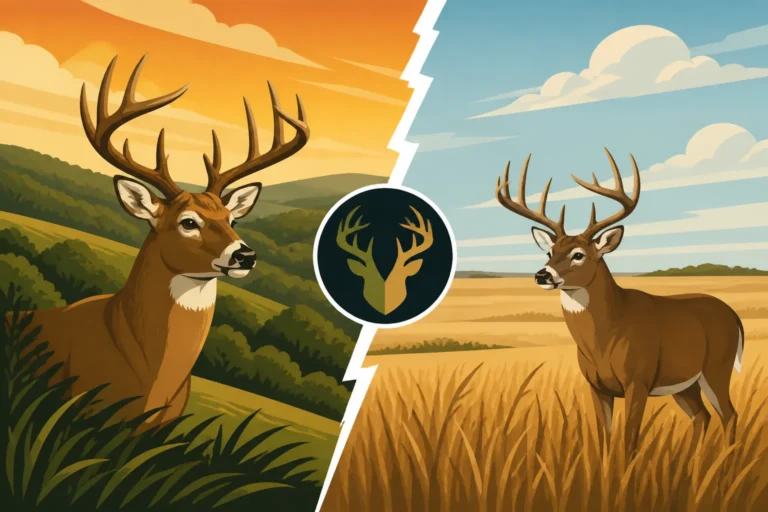
If you've spent any time at all chasing whitetails in Illinois, you know there's a pretty big difference in the deer you see, not just from year to year, but from one end of the state to the other. That feeling of surprise when a massive-bodied deer steps out in an agricultural field versus a leaner, hill-country buck is a common one. This guide will dive deep into why deer weights can vary so much across Illinois's diverse landscapes, breaking down the regional factors that contribute to the size of the deer you might encounter, and what that means for hunters.
Understanding Deer Weight: More Than Just a Number
When we talk about deer weight, it’s not just about bragging rights or how much meat you'll put in the freezer; it's a reflection of the deer's overall health, its environment, and the resources available to it. A heavier deer generally means a healthier deer, which speaks volumes about the habitat it calls home.
Why Regional Differences Matter
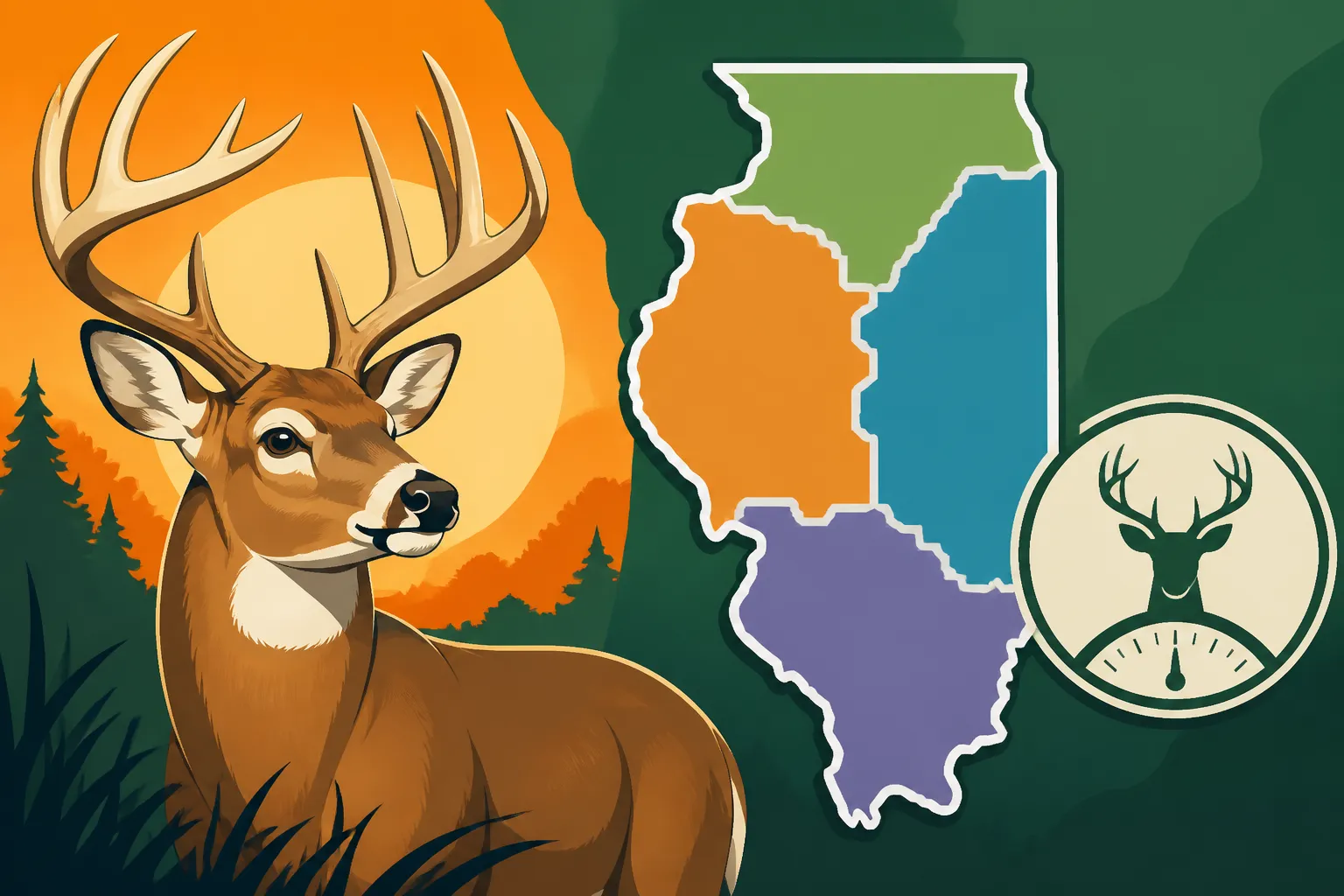
Illinois is a long state, stretching from the dense, forested hills of the Ozark Foothills in the south to the rolling farmlands and growing suburban areas of the north. Each of these distinct regions offers a vastly different smorgasbord of food sources, cover, and population pressures. Think about it: a deer trying to survive in a heavily timbered tract with less diverse forage is going to have a tougher time packing on the pounds than one living its best life knee-deep in a cornfield.
Factors like soil quality directly impact the nutrition available in plants, which then impacts the deer that eat those plants. Climate plays a role too, influencing growing seasons and the severity of winters. And, of course, genetics, while somewhat localized, also contribute to the potential size a deer can reach. Understanding these differences can really give you an edge when you're Scouting Illinois Public Land Before Season or even just planning your next hunting trip.
Live Weight vs. Dressed Weight
When you hear hunters talking about deer weight, they're almost always referring to dressed weight, not live weight. This is a crucial distinction. Live weight is what the deer weighs when it's still walking around, full of blood, guts, and everything else. Dressed weight, also sometimes called field-dressed weight, is what remains after the entrails have been removed.
Typically, dressed weight is about 70-75% of a deer's live weight. So, if someone says they shot a "150-pound deer," they usually mean a 150-pound dressed weight, which would equate to a live weight closer to 200-215 pounds! This conversion is super important for understanding official harvest reports or when you're talking to fellow hunters. Factors like how much blood is lost during the shot and recovery, and even the exact method of field dressing, can slightly alter that percentage. Knowing this helps you accurately gauge your trophy and estimate your Deer Meat Yield From an Illinois Buck.
Southern Illinois: The Hill Country Influence on Deer Weight
Down in Southern Illinois, the landscape shifts dramatically from the flat prairies of the central part of the state. Here, you'll find more rugged terrain, dense timber, and less intensive agriculture. This environment presents unique challenges and opportunities for deer, directly influencing their average weights.
Shawnee Hills and Timbered Tracts
The Shawnee Hills region, home to much of Shawnee National Forest Hunting, is characterized by rolling hills, steep ravines, and extensive timberland. While beautiful and offering incredible hunting experiences, these areas often have less concentrated, high-quality forage compared to areas rich in agricultural crops. Deer here typically browse on a wider variety of natural vegetation – acorns, browse, forbs – but the protein and energy content might not be as consistently high as in an endless supply of corn and soybeans.
What does this mean for weight? Generally, you'll find that deer in these heavily timbered, less agriculturally-dominated regions tend to be a bit leaner. They might still be mature, impressive animals, but their body weight on average can be noticeably less than their northern and central Illinois counterparts. They are often incredibly tough, accustomed to navigating challenging terrain. Hunters often focus on Hunting Shawnee Hills Ridgelines where deer travel, but the deer themselves are adapted to a different nutritional reality.
River Bottoms and Their Nutritional Value
However, even in Southern Illinois, there are pockets of incredible nutrition that can lead to heavier deer. The fertile floodplains along major rivers like the Ohio and Mississippi, or even the lower sections of the Illinois River, offer richer soils and a more diverse, abundant food source. These river bottom areas often feature a mix of mature hardwoods, river cane, and sometimes even small agricultural fields or food plots.
Deer in these river bottoms can access a more robust diet, leading to better body condition and higher average weights than those living solely in the dry uplands. These areas are magnets for deer, especially during times of the year when mast crops are plentiful. For hunters exploring these areas, Hunting Illinois River Bottom Funnels or Hunting Mississippi River Backwater Sloughs can be incredibly productive, not just for deer numbers but potentially for larger-bodied animals. The key is finding those localized areas of high nutrition within the broader hill country.
Central Illinois: Agricultural Abundance and Heavier Deer
When most people think of Illinois hunting, especially trophy whitetails, their minds often drift to Central Illinois. There's a very good reason for that: the combination of genetics, land management, and sheer nutritional abundance here creates some truly impressive deer.
Corn and Soybean Fields: A Whitetail Buffet
Central Illinois is the heart of the state's agricultural industry, a vast expanse of corn and soybean fields interspersed with woodlots, creeks, and fencerows. For deer, this is essentially a year-round, high-calorie buffet. Corn provides immense energy in the fall and winter, while soybeans offer vital protein throughout the growing season. This consistent access to high-quality, high-energy food sources is the primary driver behind the often significantly heavier average deer weights seen in this region.
Deer here grow faster, achieve larger body sizes, and maintain better condition, especially heading into the winter months. This isn't to say every deer in Central Illinois is a monster, but the average deer here will almost certainly outweigh an average deer from the timbered hills of the south, all other factors being equal. Understanding how deer utilize these food sources is critical for hunters. Services like GoHunt provide mapping tools that can help hunters pinpoint exactly where these valuable food sources are on public and private lands, allowing for strategic stand placement when Setting Up on a Central Illinois Field Edge.
Notable Counties for Heavier Deer
While Central Illinois as a whole boasts excellent deer, certain counties consistently pop up in discussions about heavier deer and trophy potential. Counties like Pike, Adams, Fulton, and Schuyler are legendary in the hunting world. The reputation of Why Pike County Produces So Many Trophy Bucks isn't just about antlers; it's also about the substantial body size of the deer.
This isn't necessarily due to some magical "super deer" genetics unique to these counties, but rather a perfect storm of factors: prime habitat with abundant agriculture, good genetics, and often, a strong culture of quality deer management on private lands. Landowners and hunting clubs in these areas often implement practices that allow bucks to reach older age classes, where they can fully express their genetic potential in terms of both antler growth and body weight. Hunters utilizing tools like GoHunt can often see the lay of the land, identifying the classic habitat features that contribute to these deer numbers, even if they're on a waiting list for an Illinois Hunting Lease Costs in a top county.
Northern Illinois: Suburban Influence and Smaller Ranges
Northern Illinois presents a more complex picture for deer weights, influenced by a blend of remaining agricultural lands, rapidly expanding suburban development, and the long-standing presence of Chronic Wasting Disease (CWD).
Fragmented Habitat and Limited Movement
As you move closer to the Chicago metropolitan area and other northern cities like Rockford and Peoria, the landscape becomes increasingly fragmented. Large contiguous blocks of habitat are rarer, giving way to smaller woodlots, green spaces, and parks nestled amidst residential and commercial development. This fragmentation can limit deer movement, restrict access to diverse food sources, and lead to higher deer densities in confined areas.
In some suburban settings, deer might find easy pickings in garden plants, ornamental shrubs, and smaller agricultural plots, but their overall diet can be less varied and sometimes less nutritious than deer free-ranging across vast farmlands or diverse timber. The constant human presence and pressure can also contribute to stress. While some deer adapt incredibly well and can reach good weights in these pockets, the average weight might not match the prime agricultural zones due to these habitat constraints and the sheer density of deer sometimes seen in these areas. Finding success often means knowing how to effectively use a Using a Ground Blind on Illinois Public Land in smaller, overlooked parcels.
Chronic Wasting Disease (CWD) Zone Impact
A significant factor influencing deer health and, consequently, their weight in Northern Illinois is the presence of Chronic Wasting Disease (CWD). Illinois has been battling CWD since it was first detected in Boone County in 2002. Today, a number of northern counties fall within the Illinois's Twenty-Eight CWD Counties.
CWD is a progressive, fatal neurological disease that ultimately causes emaciation, behavioral changes, and death. Deer in advanced stages of CWD often become visibly thin, lose muscle mass, and exhibit abnormal behavior. While not every deer in a CWD-positive county has the disease, and not every infected deer is visibly sick, the prevalence of CWD in a population can certainly impact the average body weight of deer in the affected regions. The Illinois Department of Natural Resources (IDNR) monitors CWD prevalence, and hunters in these areas are often encouraged to participate in Illinois CWD Testing for Hunters to help manage the disease. It's a somber reality that can directly affect the vitality of the herd.
Factors Beyond Region Affecting Deer Weight
While region undeniably plays a massive role, it's never the only variable in the equation when it comes to a deer's weight. Several other crucial factors contribute to whether that deer is a hefty specimen or a leaner animal.
Age and Genetics
This might seem obvious, but it's worth stating clearly: older deer are, on average, heavier deer. A fawn might weigh 50-70 pounds, a yearling buck (1.5 years old) could be 120-150 pounds dressed, and a fully mature 4.5-year-old or older buck might easily push 200+ pounds dressed. It takes years for a deer to reach its full physical potential, and regions with healthy age structures (meaning more older deer) will naturally have higher average weights.
Genetics also play a subtle but important role. Just like humans, some deer are genetically predisposed to grow larger bodies than others, even with the same access to nutrition. While a deer cannot overcome a poor diet with good genetics, excellent genetics combined with superb nutrition and age can lead to truly exceptional animals. This is part of the magic that contributes to Illinois Boone and Crockett Whitetails.
Seasonal Fluctuations and Acorn Crops
A deer's weight isn't static; it fluctuates throughout the year. Deer are at their heaviest in early fall, after a summer of abundant forage and before the energy demands of the rut and winter. Bucks, in particular, will lose significant weight during the rut as they expend massive amounts of energy chasing does and fighting rivals. Does will also lose weight during gestation and lactation.
The availability of mast crops, particularly acorns, in the late summer and early fall, can have a huge impact on how much weight deer can put on before winter. A bumper crop of acorns provides a rich, fatty food source that helps deer build up critical fat reserves. Conversely, Hunting After a Poor Acorn Year can mean leaner deer entering the lean winter months, and overall lower average weights for the year. This is why knowing the mast crop conditions in your hunting area is vital for predicting deer movement and their overall health.
Disease and Stress
Unfortunately, diseases and stress can also significantly impact deer weight. We touched on CWD in northern Illinois, but other diseases like Epizootic Hemorrhagic Disease (EHD) can also cause rapid and severe weight loss, and often death. While EHD outbreaks are localized and cyclical, they can have a dramatic, short-term impact on the health and average weight of deer in affected areas.
High deer densities, especially in areas with limited food resources or heavy hunting pressure, can also lead to stress. When too many deer are competing for the same food, individual animals may not get enough to eat, resulting in smaller body sizes and lower average weights across the herd. It's a balancing act that wildlife biologists constantly monitor to ensure the health of Illinois's White-Tailed Deer Across Illinois.
Here's a quick comparison of general characteristics for deer across Illinois's main regions:
| Regional Characteristic | Southern Illinois (Hill Country) | Central Illinois (Agricultural) | Northern Illinois (Suburban/CWD) |
|---|---|---|---|
| Weight Potential | Moderate to Good | Excellent | Moderate to Good |
| Primary Habitat | Extensive Timber, River Bottoms | Crop Fields, Woodlots | Fragmented Woods, Green Spaces |
| Key Food Sources | Acorns, Browse, Forbs, River Cane | Corn, Soybeans, Alfalfa, Mast | Garden Plants, Ornamental Shrubs, Limited Ag |
| Hunting Pressure | Moderate to High | High | Varies, often high in small areas |
| CWD Impact | Minimal to None | Minimal to None | Present, can affect health |
This table gives you a general overview, but remember that within each region, localized conditions can create micro-environments where deer thrive or struggle. Whether you're chasing that elusive trophy or simply trying to fill the freezer, understanding these dynamics will make you a more informed and successful Illinois hunter.
Disclaimer
This article is for general informational purposes only and does not constitute professional advice. Laws, prices and regulations vary by location and change over time. Consult a qualified professional for guidance on your specific situation.